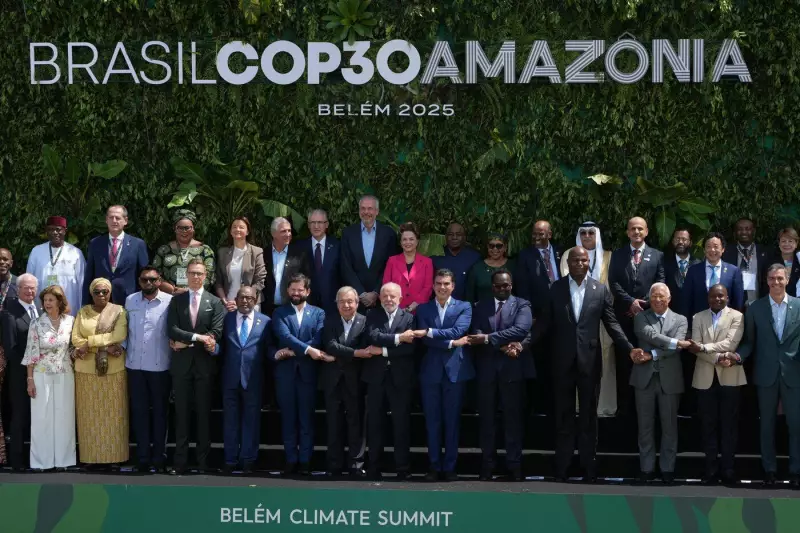
World leaders have converged in Belem, Brazil, for the pivotal COP30 United Nations Climate Summit, marking another critical moment in the global fight against climate change. The summit, which began on November 7, 2025, brings together nations to address the escalating climate crisis and strengthen international cooperation.
Canada's Strategic Position at COP30
Canadian delegates are participating in high-stakes negotiations that will shape the country's environmental policies for years to come. As a significant emitter and developed nation, Canada faces pressure to demonstrate leadership in several key areas, including emissions reduction targets, climate financing for developing nations, and the transition to renewable energy sources.
The timing of these talks coincides with domestic environmental challenges across Canada, including early winter conditions affecting multiple provinces. This juxtaposition highlights the immediate realities of climate change that Canadians are experiencing firsthand.

Key Agenda Items and Global Expectations
Several critical issues dominate the COP30 agenda, with particular focus on implementing previous commitments made at earlier climate conferences. Negotiators are working to bridge gaps between developed and developing nations regarding financial support for climate adaptation and the pace of emissions reductions.
Brazil's hosting of the summit brings attention to Amazon rainforest conservation, a topic of global significance for carbon sequestration and biodiversity protection. This location underscores the importance of forest preservation in climate mitigation strategies.
Looking Beyond the Summit
The outcomes of COP30 will have lasting implications for Canada's domestic climate policies and international commitments. Canadian representatives must balance economic considerations with environmental imperatives while addressing the urgent calls for accelerated climate action from scientists and environmental organizations.
As the talks progress through November, observers will be watching for concrete agreements that translate climate pledges into actionable policies. The success of these negotiations could significantly influence Canada's approach to meeting its 2030 and 2050 climate targets.