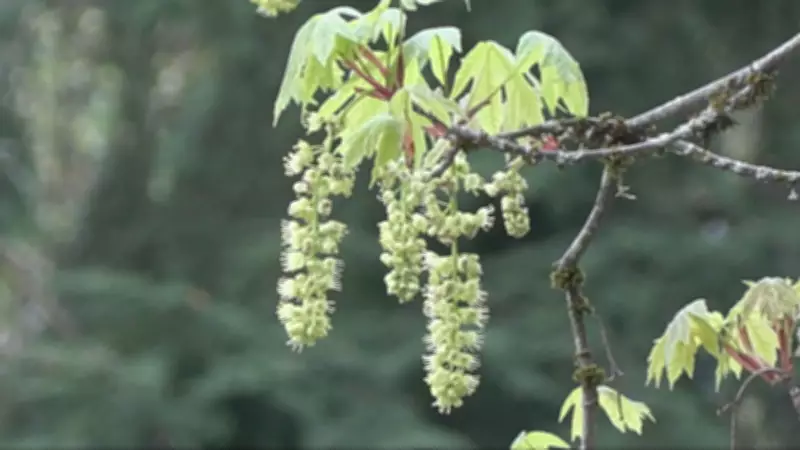
Climate change is prolonging allergy seasons across North America, leading to more severe and prolonged symptoms for millions of sufferers, experts say. Warmer temperatures and higher carbon dioxide levels are causing plants to produce more pollen and for longer periods. The allergy season now starts earlier in the spring and extends later into the fall, with some regions experiencing a 20 to 30 day increase in pollen duration compared to decades ago.
Impact on Health and Daily Life
Allergists report that patients are experiencing more intense symptoms, including sneezing, itchy eyes, and asthma exacerbations. The longer season also means increased reliance on medications and more visits to healthcare providers. Children and the elderly are particularly vulnerable. Dr. Sarah Thompson, an allergist at Montreal General Hospital, notes that many patients are struggling to manage symptoms that persist for months rather than weeks.
Scientific Evidence
Studies published in recent years show a clear link between rising global temperatures and increased pollen production. For example, ragweed pollen season has lengthened by up to 27 days in northern parts of North America since 1995. Carbon dioxide acts as a fertilizer for plants, boosting pollen output. Climate models predict that these trends will continue unless greenhouse gas emissions are significantly reduced.

Adaptation Strategies
Experts recommend that individuals monitor local pollen counts, keep windows closed during high pollen days, and use air purifiers. Cities can also plant low-allergen trees and reduce grass mowing during peak seasons. Public health campaigns should raise awareness about the impacts of climate change on allergies and encourage proactive management.
As the planet warms, the allergy season will likely become even more challenging. Policymakers are urged to address climate change not only as an environmental issue but also as a public health priority.