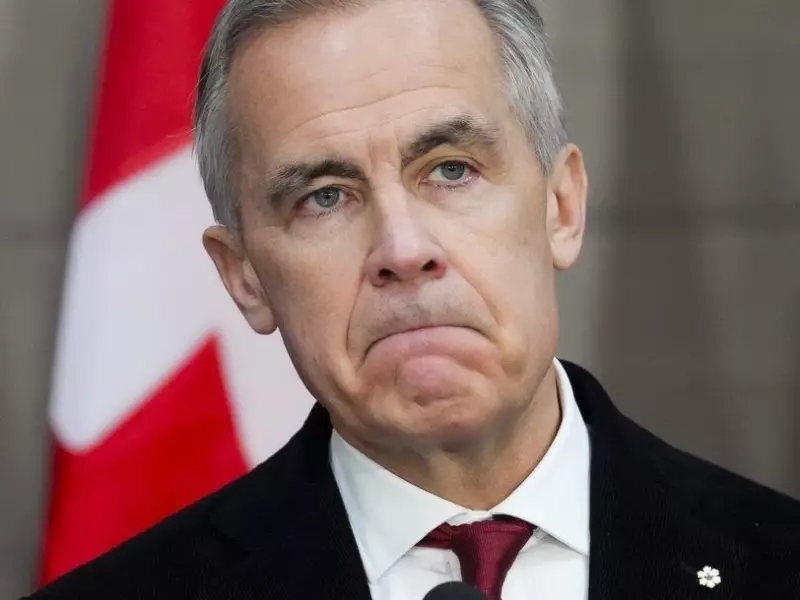
Prime Minister Mark Carney has delivered a stark assessment of his predecessor's signature environmental strategy, labelling Justin Trudeau's climate change plan as a $200-billion failure. The admission came during a year-end interview with CBC, but Carney and critics argue the roots of this policy collapse stretch back decades.
The Long Legacy of a Failed Climate Strategy
The editorial traces the origins of Canada's current climate policy challenges to 1998, when then-Prime Minister Jean Chrétien signed the United Nations Kyoto Protocol. The accord committed Canada to cutting emissions to an average of 6% below 1990 levels between 2008 and 2012.
Critics note that even top Chrétien aide Eddie Goldenberg later admitted the Liberal government knew these targets were unachievable. The editorial points out a significant contrast with the United States, where the Senate rejected the treaty in a 95-0 bipartisan vote, citing its lack of demands on major polluters like China.

Trudeau's Costly Pivot and Economic Impact
The framework established by Kyoto culminated in the 2015 Paris Agreement. Justin Trudeau subsequently pledged to slash Canada's emissions to at least 40% below 2005 levels by 2030, aiming for net zero by 2050.
The editorial argues that Trudeau's policies designed to meet these goals, while ultimately failing, severely damaged the Canadian economy. It states the approach amounted to "cutting its own economic throat," given the critical importance of the oil and gas sector to national prosperity.
Carney's Policy Reversals and an Uncertain Future
Since becoming Prime Minister, Mark Carney has moved decisively to dismantle key pillars of Trudeau's climate agenda. His government's actions represent a direct repudiation of previous policy, including:
- Cancelling the federal consumer carbon tax.
- Scrapping the proposed cap on oil and gas emissions.
- Suspending national electric vehicle (EV) purchase mandates.
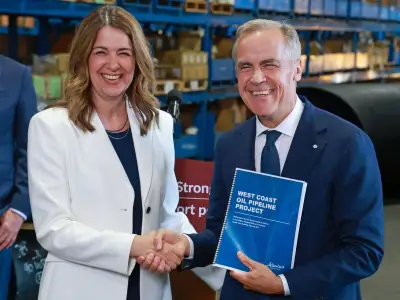
- Signing a memorandum of understanding with Alberta Premier Danielle Smith for a new pipeline from the oil sands to a northern British Columbia tidewater port.
The final, unresolved question centers on Carney's own credibility and future plans. Before entering politics, he was a leading global corporate advocate for net-zero policies and higher carbon taxes. Observers now question whether his new policy direction will stimulate economic growth or inflict further damage on Canada's financial future.