Canadian Research Sounds Alarm on 'Creeping Snow Drought' Phenomenon
New scientific research from Canada is highlighting a concerning environmental trend that experts are calling a "creeping snow drought." The study reveals a significant decline in snowpack accumulation across various regions of the country, raising serious questions about future water security, ecosystem stability, and agricultural viability.
The Science Behind Declining Snowpack
The research demonstrates that snowpack levels have been steadily decreasing over recent decades, creating what scientists describe as a slow-moving but persistent drought condition. Unlike traditional droughts that manifest through immediate precipitation shortages, snow droughts develop gradually as winter precipitation increasingly falls as rain rather than snow, and existing snow melts earlier in the season.
This phenomenon has multiple contributing factors:

- Rising winter temperatures across Canadian regions
- Changing precipitation patterns with more rain events during traditional snowfall periods
- Earlier spring melts reducing the duration of snow cover
- Increased evaporation rates due to warmer conditions
Implications for Water Resources and Ecosystems
The declining snowpack presents substantial challenges for Canada's water management systems. Snowpack traditionally serves as a natural reservoir, slowly releasing water during spring and summer months to replenish rivers, lakes, and groundwater supplies. With reduced snow accumulation, communities face potential water shortages during critical growing seasons.
Ecological impacts are equally concerning. Many Canadian ecosystems have evolved to depend on consistent snow cover for:
- Insulating plant roots and soil microorganisms during extreme cold
- Providing consistent moisture release for vegetation
- Supporting specialized wildlife that depends on snow conditions
- Maintaining hydrological cycles in sensitive alpine and boreal regions
Agricultural and Economic Consequences
Canada's agricultural sector faces particular vulnerability to snow drought conditions. Many farming regions rely on snowmelt for irrigation water, and reduced supplies could impact crop yields and livestock operations. The research suggests that agricultural planning may need to adapt to changing water availability patterns.
Beyond agriculture, other economic sectors could experience ripple effects:
- Hydroelectric power generation dependent on consistent water flows
- Winter tourism industries including skiing and snowmobiling
- Forestry operations affected by changing moisture conditions
- Municipal water systems serving growing urban populations
Regional Variations and Future Projections
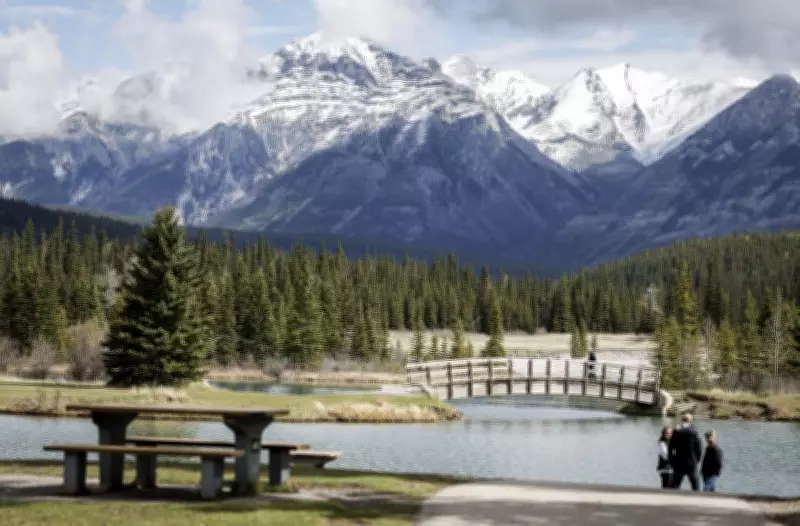
The research indicates that snow drought impacts vary significantly across Canada's diverse geography. Western mountain regions, crucial for water supply to prairie provinces, show particular vulnerability. Meanwhile, eastern regions experience different patterns of winter precipitation change.
Looking forward, climate models suggest these trends will likely intensify without substantial reductions in greenhouse gas emissions. Researchers emphasize the need for:
- Enhanced monitoring of snowpack conditions across Canada
- Adaptive water management strategies
- Policy development addressing long-term water security
- Public awareness of changing winter conditions
The "creeping snow drought" research adds to growing evidence that Canada's winter environment is undergoing fundamental transformation, with implications that extend far beyond seasonal weather patterns to touch core aspects of environmental sustainability and economic stability.