A new assessment reveals Canada is not on track to meet its 2030 greenhouse gas emissions reduction target and, in fact, is moving further away from that goal. The findings, released on December 18, 2025, underscore the significant challenges facing the nation's climate action plans.
The Widening Gap to 2030
The report, which analyzes current policies and projected emissions, paints a concerning picture. Instead of closing the gap to its pledged target under the Paris Agreement, Canada's trajectory shows an increase in the distance to that goal. The commitment is to reduce emissions by 40-45% below 2005 levels by the year 2030.
This backsliding comes despite various federal and provincial climate initiatives announced in recent years. The analysis suggests that the pace of implementation and the scale of current actions are insufficient to counteract rising emissions from key sectors of the economy. The report does not project a specific new emissions level but confirms the trend is moving in the wrong direction.

Sectoral Challenges and Economic Factors
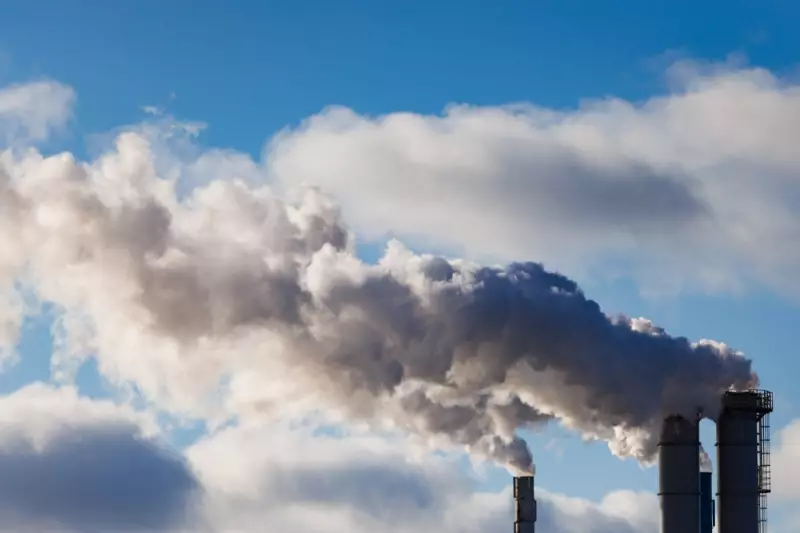
Several persistent factors are contributing to the difficult outlook. Emissions from oil and gas production, transportation, and heavy industry remain stubbornly high. While there has been growth in renewable energy and electric vehicle adoption, these gains are being offset by increased activity and output in other high-polluting areas.
Economic growth projections and delays in rolling out major clean technology projects are also cited as influences on the updated forecast. The report implies that more aggressive and immediate policy interventions will be required to alter the current course and steer the country back toward its international commitment.
Implications for Policy and International Standing
This latest analysis places increased pressure on the federal government to revisit and strengthen its climate policy framework. Canada has faced repeated criticism for being among the top per-capita emitters in the world and for historically missing its climate targets.
Failing to make meaningful progress jeopardizes not only the country's environmental goals but also its credibility in international climate negotiations. The report is likely to fuel debates in Parliament and across provincial capitals about the need for more stringent regulations, increased carbon pricing, or accelerated public investment in green infrastructure.
Environmental advocates are expected to seize on the findings to call for urgent action, while industry groups may highlight the economic costs of faster decarbonization. The report serves as a stark mid-decade check-in, indicating that the path to 2030 is becoming steeper, not smoother, for Canadian climate efforts.