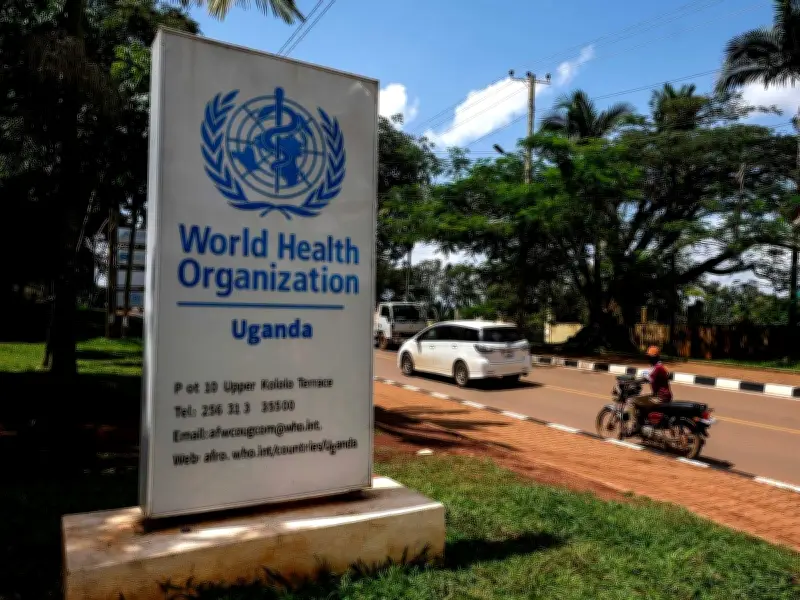
As a rare strain of Ebola wreaks havoc in Uganda and the Democratic Republic of the Congo, the World Health Organization is once again mixed up in climate advocacy. A high-profile WHO commission made up of politicians and green advocates last month urged the organization to declare climate change a “public health emergency of international concern.”
This is a flashback to the 2010s when the WHO’s director-general named climate change the most important health issue of the 21st century. Not long after, COVID-19 arrived — and WHO’s preparedness and early response to a genuine health emergency were found deeply wanting.
The lesson clearly was not learned. The WHO commission’s headline claim is that climate change poses a “catastrophic threat to human health.” Its key evidence comes from a Lancet study showing heat deaths in Europe are rising rapidly, reaching 63,000 per year. Even setting aside the peculiarity of a global health emergency built primarily on European data, the argument collapses under scrutiny.

European heat death risk has risen 82 percent since 1990. But the risk rises sharply with age and Europe has aged dramatically. Since 1990, the share of its population over 70 has increased by 78 percent, so aging alone explains virtually the entire increase in heat deaths. Both the study and the commission simply ignore this.
Any honest analysis of mortality would use age-standardized death rates, which make figures comparable over time. The WHO report makes no such adjustment. The Global Burden of Disease, the world’s leading mortality database, does. It shows that Europe’s age-standardized heat death risk has changed only marginally since 1990. Adjusted to reflect today’s population size and age distribution, the increase amounts to fewer than 850 additional heat deaths. The commission’s figures exaggerate the problem more than 50-fold.
Furthermore, deaths from cold are down much more dramatically than heat deaths rise. Ignoring this context creates a misleading picture of climate impacts on health. Lomborg argues that the WHO should focus on real health emergencies rather than engaging in climate alarmism that lacks scientific rigor.