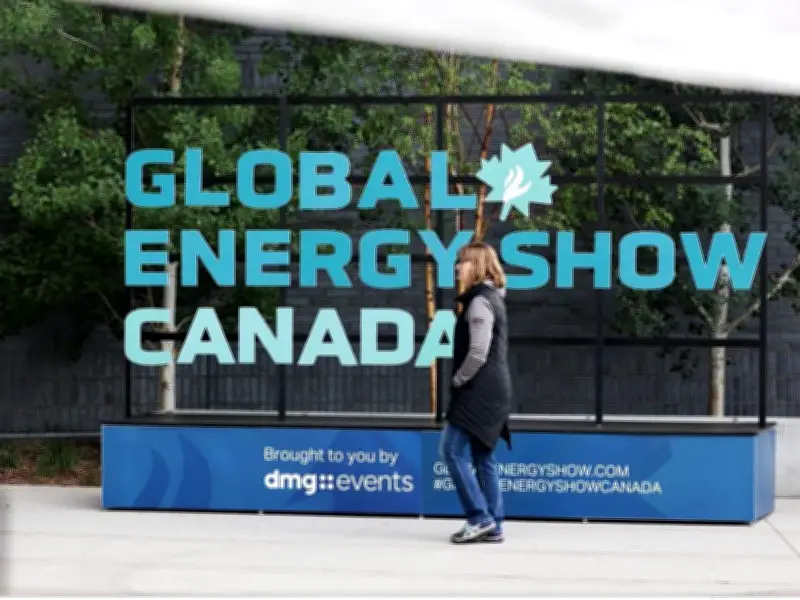
When I agreed to moderate a panel at the Canada–China Energy Innovation & Investment Forum during this year's Global Energy Show, my expectations were modest. I anticipated a typical industry gathering, perhaps 50 to 80 attendees exchanging polite nods over lukewarm coffee. Instead, I found myself standing before a completely packed conference hall of over 400 people, shoulder to shoulder with entrepreneurs, executives, and policymakers.
A Signal Beyond the Hype
The turnout was not merely surprising; it was a clear signal. After years of frosty diplomacy and mutual suspicion, Canada and China are quietly getting back to business in the energy sector, and they are doing so with a refreshing sense of pragmatism.
As someone who has spent more than two decades facilitating Canada–China energy and environmental exchanges—serving as a senior advisor to both the federal government in Ottawa and the Alberta provincial government, as well as to major Canadian energy players—I have witnessed these cycles of interest before. Yet this gathering felt different. The atmosphere was devoid of the moral grandstanding or geopolitical suspicion that has often poisoned the well. Instead, the conversation was rooted in one thing: measurable value.

Pragmatic Tone from Officials
The tone was set immediately by the officials present. The PRC Consul General and the Alberta provincial representative did not lecture; they talked like businesspeople. Their focus was on enterprise collaboration, investment, job creation, and the hard realities of new technology deployment. This pragmatic spirit carried through the keynote addresses.
The heads of PetroChina Canada and LNGC (LNG Canada) did not speak in abstract terms. They spoke of growth trajectories and market necessity. We were reminded that over 50 per cent of the volumes on the expanded Trans Mountain Pipeline are now destined for Chinese buyers, fetching prices significantly higher than those in the U.S. market. Since starting operations last summer, LNGC has already shipped 100 cargoes to the Asia–Pacific region.
Urgency in LNG and Infrastructure
With Prime Minister Mark Carney now listing LNG Canada Phase II as his government's top national infrastructure priority, and with several West Coast LNG startups racing to secure final investment decisions, the urgency to lock in Asian buyers has never been greater. These projects are not threats to Canadian sovereignty; they are customers, investors, taxpayers, and job creators in Canada's most vital economic sector.
Next-Gen Energy Systems Panel
Our panel, focused on next-generation energy systems—covering infrastructure, electrification, and artificial intelligence—further underscored this shift. We moved beyond the old debate of oil versus renewables and focused on integration. The discussion highlighted how AI is finally being judged by its return on investment, meaning it must save money or increase efficiency to survive. We saw how Canadian startups like Max Power, pioneering natural hydrogen technology, are looking to Chinese partners to scale their innovations. Conversely, we observed established Chinese oil service companies operating right here in Alberta, deploying environmentally responsible drilling technologies, and Canadian-founded green energy firms expanding through diaspora connections.