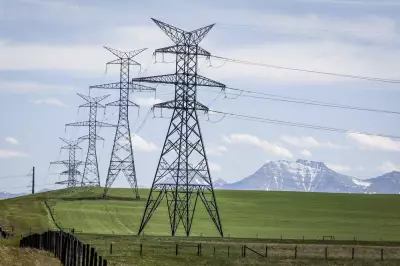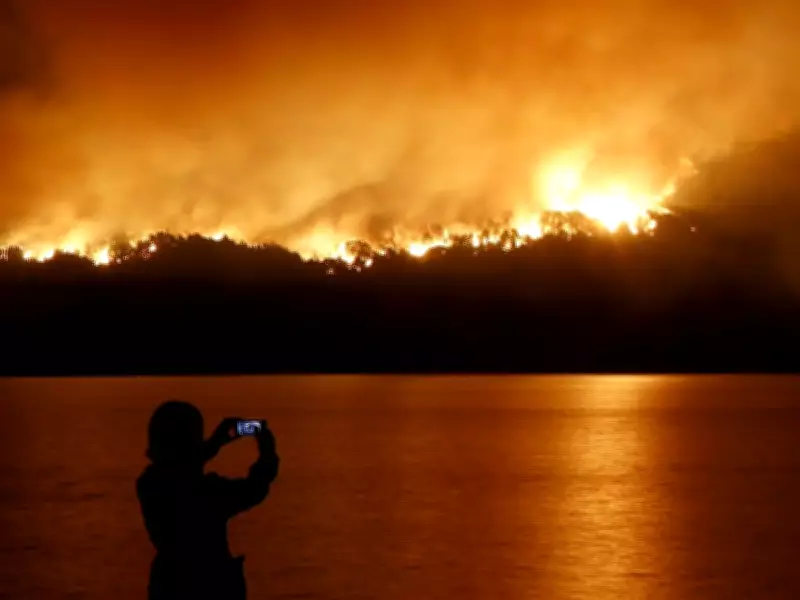
British Columbia is expressing strong opposition after the federal government signed yet another pipeline agreement with Alberta, sparking renewed tensions over fossil fuel infrastructure. This development comes as the province faces its most severe start to wildfire season on record, with experts warning that the emerging El Niño climate pattern could exacerbate conditions.
Pipeline Dispute Heats Up
The latest deal between Ottawa and Alberta has drawn sharp criticism from B.C. officials, who argue that it undermines provincial environmental goals and could force the construction of additional oil sands export routes to Asian markets. The agreement follows previous pipeline projects that have been contentious in B.C., including the Trans Mountain expansion. Environmental groups have also condemned the move, stating it contradicts Canada's climate commitments.
Wildfire Season Off to Alarming Start
B.C. is experiencing an unprecedented early wildfire season, with dozens of blazes already reported across the province. The combination of drought conditions and above-average temperatures has created a tinderbox, raising fears of a catastrophic summer. The looming El Niño event, which typically brings warmer and drier weather to the region, threatens to worsen the situation. Fire officials are urging residents to prepare for what could be the worst wildfire season in years.

Extreme Weather Impacts on Parks
B.C.'s provincial parks are suffering from the effects of extreme weather, including severe storms and prolonged drought. Park managers report damage to trails, campgrounds, and ecosystems, with recovery efforts straining limited resources. The situation highlights the broader impacts of climate change on natural landscapes.
Renewable Energy Developments
B.C. Hydro is awaiting purchase agreements for four new wind projects as part of its call for power. These projects are seen as critical to meeting the province's renewable energy targets and reducing reliance on fossil fuels. However, delays in finalizing contracts have raised concerns about the pace of transition.
Climate Science Update
According to the latest data from the Mauna Loa Observatory, atmospheric carbon dioxide levels reached 431.12 parts per million (ppm) in May 2026, up from 429.35 ppm the previous month. This continues a steady rise from under 320 ppm in 1960. NASA confirms that human activities have increased CO2 concentrations by 50% in less than 200 years, driving unprecedented global warming.
Global Temperature Records
The global average temperature in 2023 was 1.48°C above pre-industrial levels, and in 2024 it breached the 1.5°C threshold, reaching 1.55°C. The year 2025 was the third warmest on record, capping the 11th consecutive warmest years. The UN Environment Programme's 2025 Emissions Gap Report warns that even if current targets are met, temperatures could rise by 2.3°C to 2.5°C this century.
Key Takeaways
- Human activities, primarily fossil fuel burning and livestock farming, are the main drivers of climate change.
- The window to limit warming to 1.5°C is rapidly closing, with urgent action needed to reduce emissions.
- Extreme weather events, including heatwaves, floods, and wildfires, are becoming more frequent and intense due to climate change.
Check back every Saturday for more climate and environmental news, or subscribe to our newsletter for daily updates.