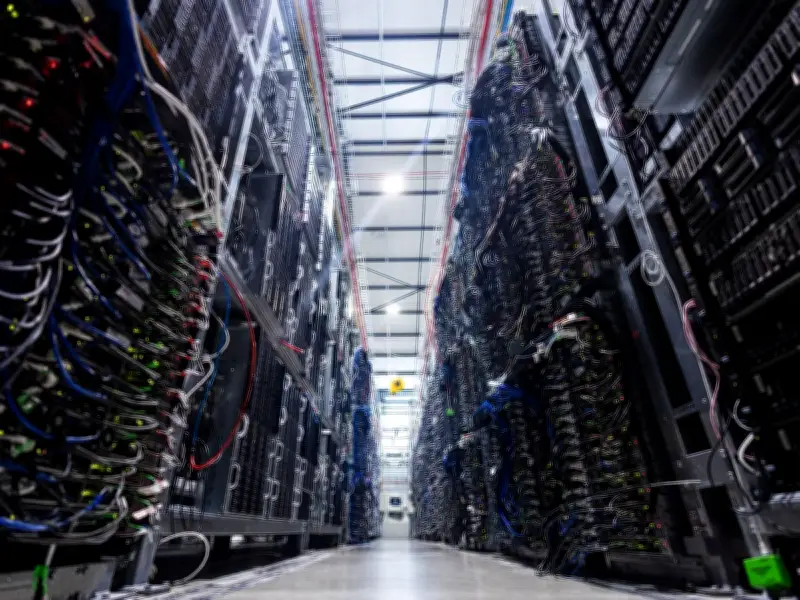
A proposed natural gas-fired power plant northeast of Peace River is drawing attention to broader concerns about Alberta’s rapidly expanding artificial intelligence data centre industry, with conservation experts and Indigenous groups questioning the long-term impacts on electricity demand, water use and the environment.
Cree Ative Datacenter Corp GP is proposing a 650-megawatt natural gas power-generating facility about 40 kilometres northeast of Peace River to supply electricity for a new data centre. The project is expected to operate for 30 years. On March 4, the Impact Assessment Agency of Canada issued an early decision determining that no further federal impact assessment is required under the Impact Assessment Act.
Indigenous partnership behind the project
Cree Ative is the general partner acting for and on behalf of Mihta Askiy LP, an Indigenous partnership that is 51 per cent owned by Woodland Cree First Nation and 49 per cent owned by Sovereign Digital Infrastructure. The proposal comes as Alberta actively courts investment in AI infrastructure through its Data Centre Strategy, which says the industry could deliver significant economic benefits.

“Construction of AI data centres and supporting infrastructure would support job creation for skilled tradespeople and ongoing operation would promote employment diversification,” the province’s AI Data Centre Strategy states.
Rapid pace of proposals raises alarms
However, as large-scale data centre proposals continue to emerge across Alberta, some experts say the province needs a clearer understanding of their cumulative environmental impacts. Kennedy Halvorson, a conservation specialist with the Alberta Wilderness Association, said questions remain about electricity demand, greenhouse gas emissions, water use and the combined effects of multiple projects being developed simultaneously.
“With the data centers in general what’s most alarming to me at this moment is the really rapid pace we’re seeing proposals being put in in Alberta, compared to other provinces in Canada and just in general,” Halvorson said. “We’re just seeing so many applications for different large data centers being put in all around the province, and that’s all ongoing with very little regulatory guardrails to potentially reign them in should they have adverse impacts.”
Comparison with largest proposed developments
Halvorson said the proposed Mihta Askiy project is modest compared with some of the province’s largest proposed developments. “(Mihta Askiy Data Center) is proposing a power generation of 650 megawatts, and some of the larger ones, like Wonder Valley, south of Grande Prairie on its full buildout is – 7.5 gigawatts or 7,500 megawatts,” she said. “The entire province of Alberta as a whole generates and consumes approximately 10 gigawatts or 10,000 megawatts. The Wonder Valley are proposing likely to use as much as three quarters of the whole province.”
She added that the Alberta Electric System Operator has received requests from proposed data centres totalling nearly 12 gigawatts of electricity — more than Alberta’s current grid demand.