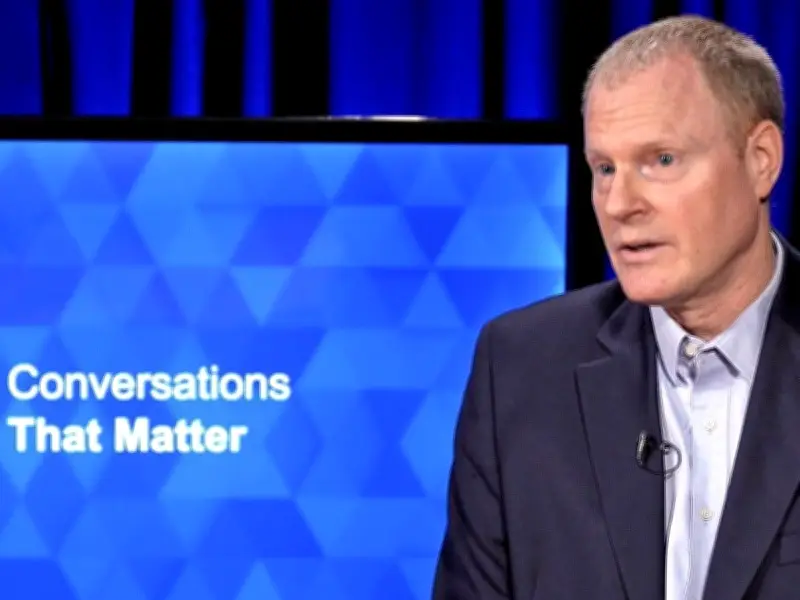
Douglas Muir, director of the enforcement division at the B.C. Securities Commission, warns that financial fraud is accelerating due to artificial intelligence. In an interview with Conversations That Matter, Muir explained that scammers now operate at machine speed, making it difficult for humans to react in time.
What Is a Pig Butchering Scam?
Muir highlighted the growing threat of pig butchering scams, a long-term fraud where victims are courted over weeks or months before any mention of money. The term refers to 'fattening the pig'—showering the victim with affection and attention—before leading to a financial slaughter in a fraudulent investment scheme.
According to a Fortra Tripwire report, typical first contact comes via text, WhatsApp, or Tinder messages like 'it was great meeting you at the gala.' Such messages have an air of truth because few people remember everyone they meet. Warning signs include no phone contact, conversations about investments and returns, and a focus on big payouts.

AI Accelerates Fraud
Muir stated, 'Fraud is not going away, in fact it's accelerating due to the introduction of AI which means you're reacting in human time while the scammer is fuelled by machine speed.' This technological shift makes it harder for both individuals and regulators to keep pace.
The B.C. Securities Commission is actively working to combat these scams. Muir joined Conversations That Matter to discuss the scope of scamming in B.C., what investors need to know, and what the commission is doing to fight fraud.
How to Protect Yourself
Muir advises the public to stay informed about common scam tactics. Understanding terms like 'money mule' and 'pig butchering' can reduce the odds of being scammed. He emphasizes vigilance, especially when unsolicited messages mention investments or promise high returns.
For more information, see the full video at vancouversun.com/tag/conversations-that-matter and learn about Muir's career at careersthatmatter.ca. A related event, Conversations Live on artificial intelligence and cybersecurity, is scheduled for Sept. 22.