Windsor-Essex Faces School Bus Cancellations as Frigid Temperatures Continue
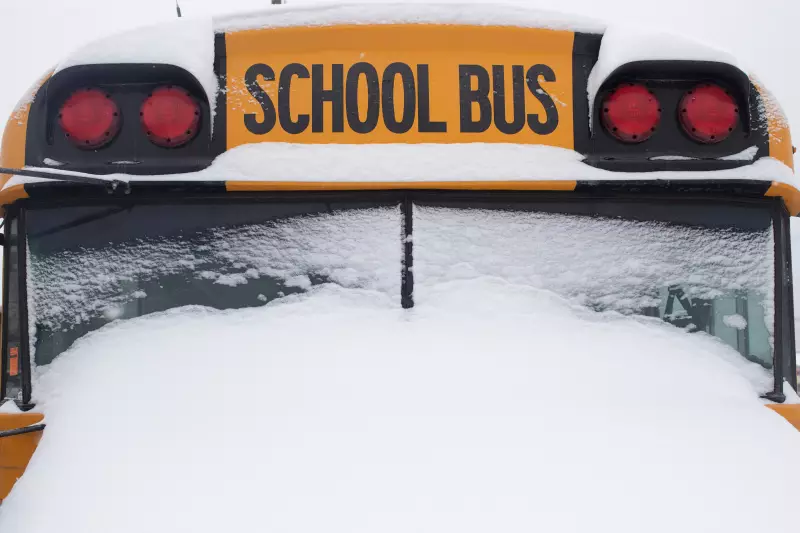
Residents of Windsor-Essex are grappling with significant disruptions as school bus services have been cancelled across the region due to persistently frigid temperatures. The extreme cold, which has settled over Ontario, is creating hazardous conditions that have prompted local authorities to prioritize safety by suspending transportation for students.
Impact of the Cold Snap on Daily Life
The cancellation of bus services is part of a broader pattern of winter-related closures affecting communities throughout the province. With temperatures plunging to dangerous lows, the decision aims to protect children and drivers from the risks associated with severe cold, including frostbite and vehicle malfunctions. This move reflects a cautious approach by school boards and transportation providers in response to the ongoing weather emergency.
Similar measures have been implemented in other areas, such as Toronto and the Greater Toronto and Hamilton Area (GTHA), where snowstorms and cold snaps have led to school closures and delays. The current situation in Windsor-Essex underscores the widespread impact of this winter's harsh conditions, which are testing infrastructure and emergency preparedness across Canada.

Broader Weather Context and Regional Effects
The frigid temperatures in Windsor-Essex are not isolated, as much of Ontario, Quebec, and the Maritimes are bracing for near -50°C wind chills this weekend. This extreme weather event has already caused numerous incidents, including:
- Flight cancellations at airports in cities like Vancouver and Montreal due to blizzards and snow warnings.
- Increased demand for automotive services, such as battery checks by CAA Quebec, as cold strains vehicles.
- Record-breaking low temperatures in Saskatchewan communities, highlighting the severity of the cold snap.
Experts warn that such conditions can lead to "exploding trees" and other winter phenomena, adding to the challenges faced by residents. In response, local governments have declared snow events in areas like Kitchener, Waterloo, Cambridge, and North Dumfries, urging caution and preparedness.
Safety Precautions and Community Response
As the cold persists, authorities are emphasizing the importance of safety measures. This includes:
- Checking car batteries and ensuring vehicles are winter-ready to avoid breakdowns.
- Staying indoors during peak cold periods to prevent health risks like hypothermia.
- Monitoring updates from local schools and transportation services for further cancellations or delays.
In Windsor-Essex, the community is rallying to support vulnerable populations, with demonstrations in Ottawa showing solidarity despite the cold. Meanwhile, incidents such as house fires in Windsor and Star City have strained emergency services, underscoring the need for vigilance during extreme weather.
The ongoing frigid temperatures serve as a reminder of Canada's harsh winters and the importance of adaptive strategies to mitigate their effects on daily life and infrastructure.