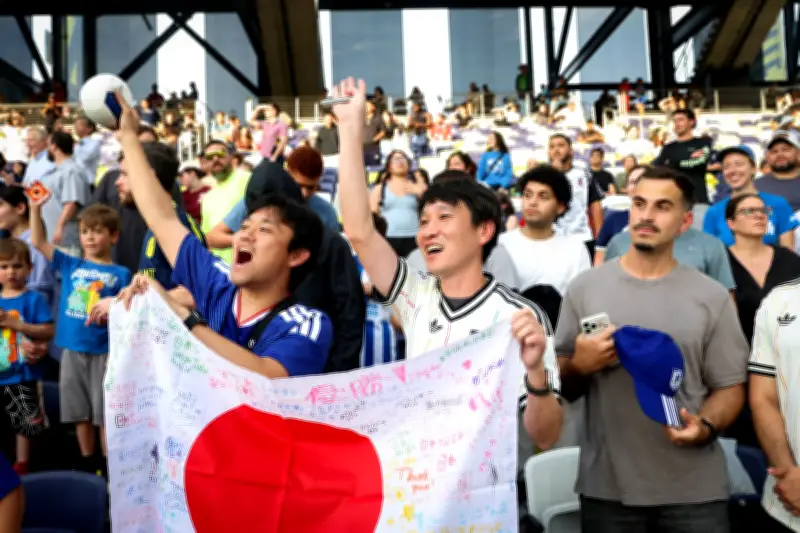
Japanese football fans have once again captured global attention with their impeccable cleanliness at the 2026 FIFA World Cup. Despite the chaos and excitement of the tournament, supporters from Japan consistently leave stadiums spotless, a tradition rooted in cultural values and respect for shared spaces.
A Tradition of Tidiness
This practice is not new. Japanese fans have been known to clean up after themselves at major sporting events for years, including previous World Cups. The act is often accompanied by the phrase 'A bird that flies never leaves a trace,' reflecting a deep-seated belief in leaving no impact on the environment.
Cultural Roots
In Japan, cleanliness is taught from a young age, both at home and in schools, where students participate in daily cleaning routines. This instills a sense of responsibility and respect for public property. The concept of mottainai—a feeling of regret when something is wasted—also plays a role, encouraging people to minimize waste and keep surroundings tidy.

Global Recognition
The behavior of Japanese fans has earned widespread praise on social media and in news outlets. Many see it as a model for other nations to follow. It also highlights the broader cultural values of Japan, including collectivism and consideration for others.
As the World Cup continues, the sight of Japanese fans picking up trash after matches serves as a powerful reminder of how small acts of respect can make a big difference. Their example inspires fans worldwide to think about their own impact on the environment and public spaces.