Death Toll Climbs as Rescue Efforts Intensify
The death toll from the devastating twin earthquakes that struck Venezuela has risen to 589, with nearly 3,000 people injured, according to the latest update from Venezuelan authorities. The earthquakes, which occurred on June 25, 2026, have caused widespread destruction across several states, leaving thousands homeless and overwhelming local hospitals.
Details of the Earthquakes
The first earthquake, a magnitude 7.1 event, struck near the coastal city of Cumaná at 11:15 a.m. local time, followed by a second tremor of magnitude 6.8 hours later. The United States Geological Survey reported that the quakes were shallow, with depths of approximately 10 kilometers, which amplified their destructive power. Buildings collapsed, roads buckled, and landslides were triggered in mountainous areas.
“These earthquakes of this magnitude don’t happen very frequently in this region,” said Dr. Maria Gonzalez, a seismologist at the University of Caracas. “The shallow depth and proximity to populated areas contributed to the high casualty numbers.”

Impact and Response
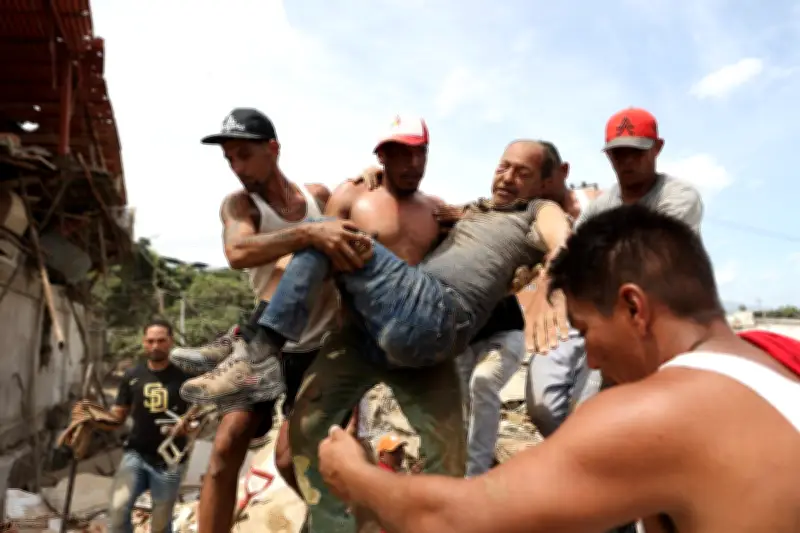
Search and rescue teams, including international aid workers, are racing against time to find survivors trapped under rubble. The Venezuelan government has declared a state of emergency in the affected states of Sucre, Anzoátegui, and Monagas. Military personnel have been deployed to assist with rescue operations and maintain order.
Canada has pledged $5 million in humanitarian aid to support earthquake relief efforts, as announced by the Canadian government. The United Nations and other international organizations are also coordinating aid deliveries, including medical supplies, food, and temporary shelter.
“The situation is dire,” said Juan Perez, a Red Cross coordinator in Cumaná. “We are treating hundreds of injured people in makeshift clinics, and the need for clean water and sanitation is critical.”
Broader Implications
The earthquakes come at a time when Venezuela is already grappling with a severe economic crisis and political instability. The destruction of infrastructure, including hospitals and roads, is expected to further strain the country’s resources. Experts warn that the recovery process could take years.
“Earthquakes are really complex,” said Dr. Gonzalez. “The aftershocks could continue for weeks, complicating rescue efforts and increasing the risk of further damage.”
As the death toll continues to rise, the focus remains on saving lives and providing immediate relief to the thousands affected by this natural disaster.