The Arctic region is currently gripped by an extraordinary and unprecedented heatwave, setting off a domino effect of severe environmental consequences that scientists warn are intensifying globally. This alarming trend, characterized by temperatures far exceeding historical norms, is accelerating changes at a pace that threatens to outstrip previous climate models.
The Mechanics of Polar Amplification
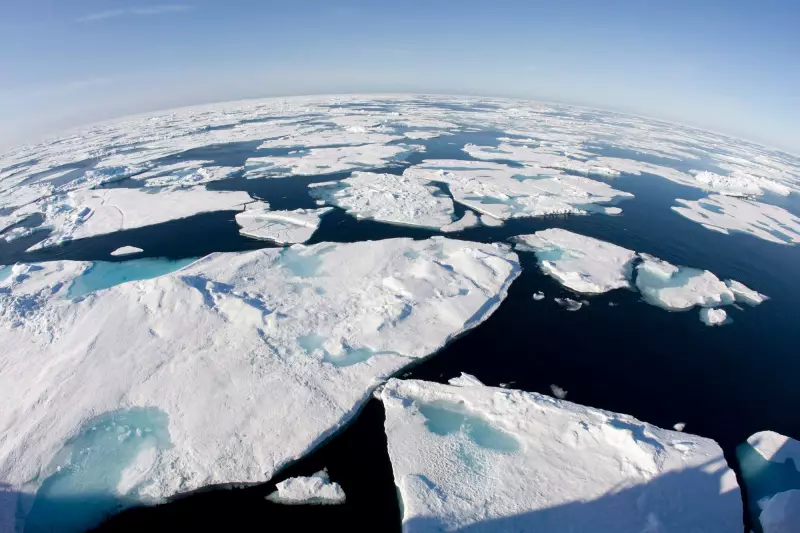
The phenomenon, known as polar amplification, is causing the Arctic to warm at a rate three to four times faster than the global average. This disproportionate heating is primarily driven by the loss of sea ice, which traditionally reflects sunlight back into space. As bright, reflective ice melts, it reveals the darker ocean surface beneath, which absorbs significantly more solar energy, creating a vicious cycle of warming and further melting.
This feedback loop is not confined to the polar regions. The rapid warming of the Arctic is destabilizing the jet stream, the fast-flowing air current that regulates weather patterns across North America and Europe. A weakened and wavier jet stream is linked to an increase in persistent extreme weather events, including prolonged heatwaves, deep freezes, and intense storms in mid-latitude regions, directly impacting countries like Canada.

Cascading Consequences for Ecosystems and Communities
The immediate impacts within the Arctic itself are profound and multifaceted. Record-low sea ice extent is devastating for species like polar bears, seals, and walruses that depend on ice platforms for hunting, breeding, and resting. Indigenous communities across the Canadian North, whose cultures, food security, and travel routes are intrinsically tied to the ice and predictable seasonal patterns, are facing existential threats to their traditional ways of life.
On land, the thawing of permafrost—ground that has remained frozen for millennia—is releasing vast stores of greenhouse gases like methane and carbon dioxide. This release further accelerates global warming in another dangerous feedback loop. Additionally, permafrost thaw is causing ground subsidence, damaging critical infrastructure such as roads, buildings, and pipelines in northern communities.
A Global Climate Emergency Signal
Scientists emphasize that the Arctic serves as the planet's early warning system. The unprecedented heat observed there is a clear signal of a climate system in distress. The cascading effects—from altered ocean currents and rising sea levels due to melting ice sheets in Greenland, to shifts in global weather patterns—demonstrate that no region is insulated from the changes originating at the poles.
This situation underscores the urgent need for aggressive global action to reduce greenhouse gas emissions. While mitigation efforts are crucial to curb future warming, the changes already set in motion necessitate parallel strategies for adaptation, particularly for vulnerable Arctic ecosystems and the communities that call them home. The time to address this cascade of impacts is rapidly narrowing.