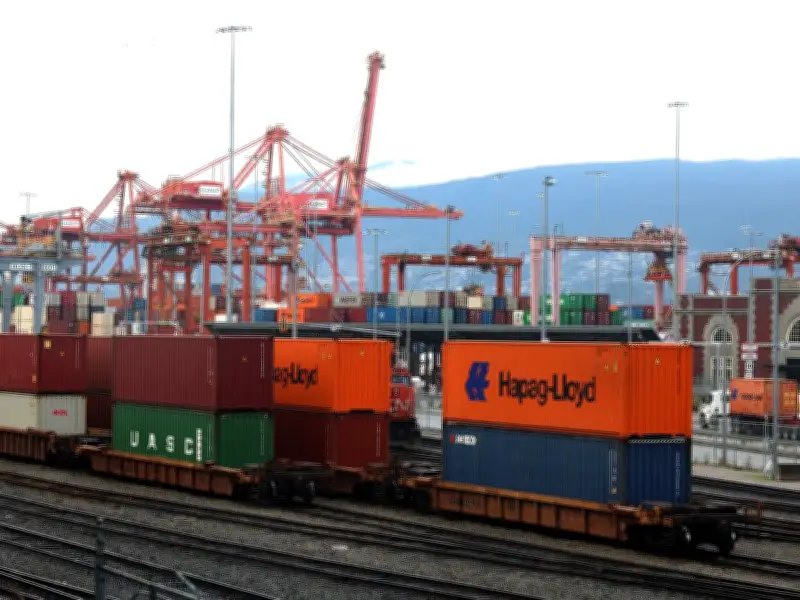
A new report warns that traffickers are exploiting a critical inspection gap at Canada's Pacific ports, shipping methamphetamine to Australia by the tonne with almost no outbound checks. The paper, released by the Frontier Centre for Public Policy, argues that Vancouver and Prince Rupert move enormous volumes of cargo with little meaningful inspection and no single agency responsible for closing the gap.
Negligible inspection risk
“Traffickers treat inspection risk as negligible and build their business model around the odds,” wrote Scott McGregor, a senior adviser with the Council for Countering Hybrid Warfare and senior fellow at the Frontier Centre. According to a City of Delta report cited in the paper, less than two per cent of shipping containers are imaged and less than one per cent physically searched in Metro Vancouver. That report, written by former RCMP deputy commissioner Peter German, was commissioned by the municipality in 2023.
An internal Canada Border Services Agency (CBSA) audit of marine-mode targeting covering 2020 to 2022 found the agency did not target exports, outbound vessels or crew, leaving cargo leaving the country with even less scrutiny than what arrives. The bigger gap is on the way out, the report emphasizes.

Massive seizures reveal scale
The seizures that do happen show the scale of the problem. In June 2023, the CBSA announced it had found more than 6,330 kilograms of methamphetamine in four Metro Vancouver busts, all hidden in jugs labelled as canola oil and bound for Australia. One seizure of nearly 3,000 kilograms was the largest methamphetamine seizure in the agency's history.
McGregor said Canada is used as a launch point because the drugs are worth far more overseas. The country is not a major destination, he said, but has become one of the world's leading source countries for fentanyl, trans-shipped through the ports for higher margins abroad.
Domestic production and security gaps
Domestic production is vast. In October 2024, the RCMP dismantled what it called the largest, most sophisticated drug superlab in Canadian history at Falkland, B.C. The force said the fentanyl and precursor chemicals seized could have produced more than 95 million potentially lethal doses, enough to kill every Canadian at least twice over. One person was arrested.
Part of the problem, the paper argues, is that no one is clearly in charge. Responsibility for port security is split among the port authorities, the CBSA, the RCMP and Transport Canada, with no single body accountable for the system. The federal government disbanded the Ports Canada Police, the country's dedicated ports force, in 1997, according to German's report. The Vancouver Fraser Port Authority ended its funding for an RCMP-led waterfront enforcement unit in 2015.
Ottawa's own assessment is more cautious. A Public Safety Canada briefing note says there is little to no evidence from Canadian or U.S. law enforcement that Canadian-produced fentanyl is a growing threat to the United States.