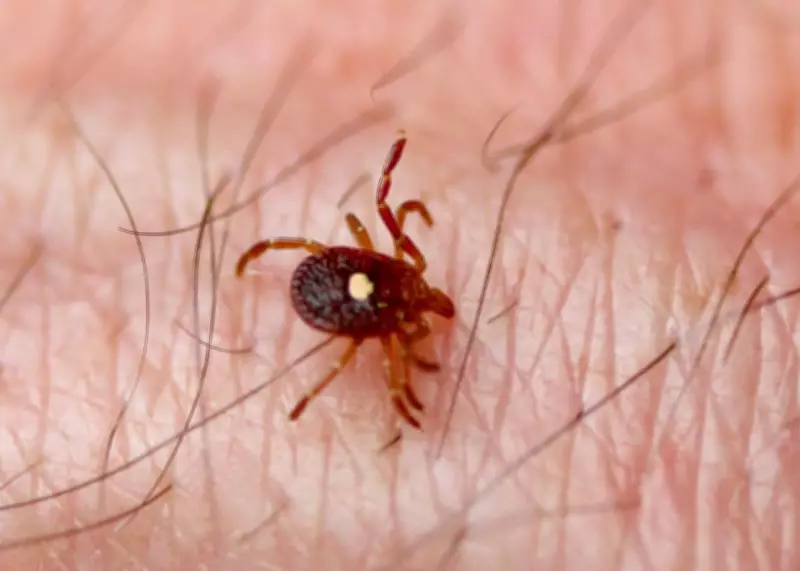
Health experts are warning that tick season has started early this year, ramping up fears of Lyme disease and other tick-transmitted illnesses across Canada. The early onset is attributed to milder winter temperatures and changing climate patterns, which have allowed ticks to become active sooner than usual.
Why Early Tick Season Matters
Lyme disease, caused by the bacterium Borrelia burgdorferi and transmitted through the bite of infected black-legged ticks, can lead to serious health complications if left untreated. Symptoms include fever, headache, fatigue, and a characteristic skin rash called erythema migrans. If not treated early, the infection can spread to joints, the heart, and the nervous system.
Dr. Sarah Johnson, an infectious disease specialist at the University of Toronto, emphasizes the importance of early prevention. “With ticks emerging earlier, Canadians need to be vigilant when spending time outdoors, especially in wooded or grassy areas,” she said. “Checking for ticks after outdoor activities and using insect repellent are crucial steps.”

Geographic Spread
The risk of Lyme disease is expanding geographically. Historically concentrated in parts of Ontario, Quebec, and the Maritime provinces, tick populations are now being reported in new areas, including parts of Alberta and British Columbia. Climate change is enabling ticks to survive in regions that were previously too cold for them.
Protection Measures
Health officials recommend several precautions:
- Wear long sleeves and pants when in tick-prone areas.
- Use insect repellents containing DEET or icaridin.
- Perform thorough tick checks after being outdoors.
- Shower soon after coming indoors to wash off unattached ticks.
- If you find a tick attached, remove it carefully with fine-tipped tweezers and clean the bite area.
Public Awareness Campaigns
Public health units across Canada are launching awareness campaigns to educate the public about tick bite prevention and the symptoms of Lyme disease. Some provinces are also increasing surveillance of tick populations to monitor the spread of disease-carrying species.
“Early detection and treatment are key to preventing severe outcomes,” said Dr. Johnson. “Anyone who develops symptoms after a tick bite should seek medical attention promptly.”
As tick season begins earlier than usual, Canadians are urged to stay informed and take proactive steps to protect themselves and their families from Lyme disease and other tick-borne illnesses.