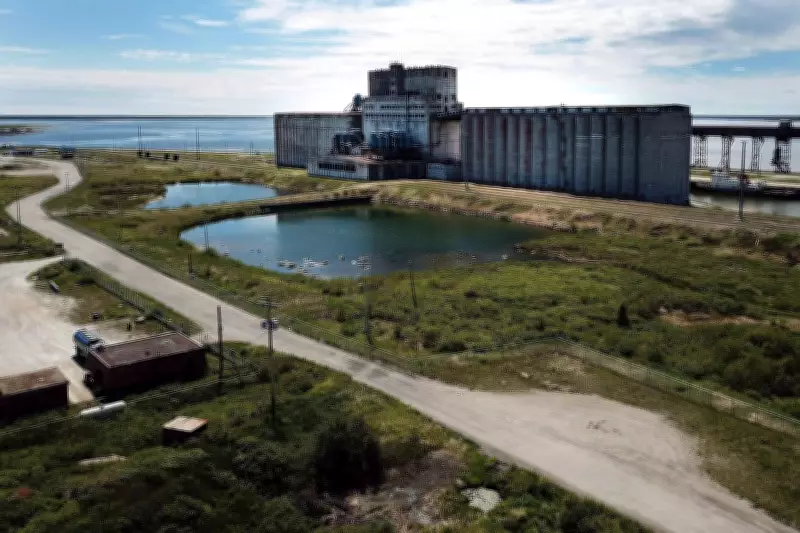
New Study to Assess Potential Impact of Expanding Port on Hudson Bay
A comprehensive new study has been launched to evaluate the potential environmental and economic impacts of expanding the Port of Churchill, located on the shores of Hudson Bay in Manitoba. This research initiative aims to provide critical data and analysis to inform decision-making regarding the port's future development, balancing growth opportunities with ecological preservation.
Focus on Sustainability and Regional Development
The study will specifically examine how port expansion could affect the delicate Arctic environment of Hudson Bay, including wildlife habitats, water quality, and local ecosystems. Simultaneously, it will assess the economic benefits, such as job creation, increased trade capacity, and enhanced connectivity for northern communities. Researchers emphasize that the findings will help develop strategies to minimize environmental disruption while maximizing regional economic advantages.
Context and Importance
The Port of Churchill is a strategic asset for Canada, serving as a key transportation hub for goods moving to and from the Arctic. Previous discussions about expansion have highlighted both its potential to boost trade and concerns about environmental risks. This study is seen as a crucial step in addressing these issues, with stakeholders from government, industry, and Indigenous communities expected to contribute insights.

Key objectives of the study include:
- Analyzing current port operations and infrastructure limitations.
- Projecting future demand for port services in the region.
- Evaluating potential climate change impacts on port activities.
- Developing recommendations for sustainable expansion practices.
The research is funded through a combination of public and private sources, reflecting broad interest in the port's role in Canada's northern economy. Results are anticipated to be released in phases over the next two years, with interim reports providing updates on preliminary findings.
Broader Implications
Beyond immediate port concerns, the study may influence broader policies on Arctic development and transportation logistics. As global interest in northern routes increases due to climate change, understanding the impacts of infrastructure projects like this becomes ever more vital. The Port of Churchill expansion could set precedents for how Canada manages growth in sensitive environments, making this study a landmark effort in responsible planning.