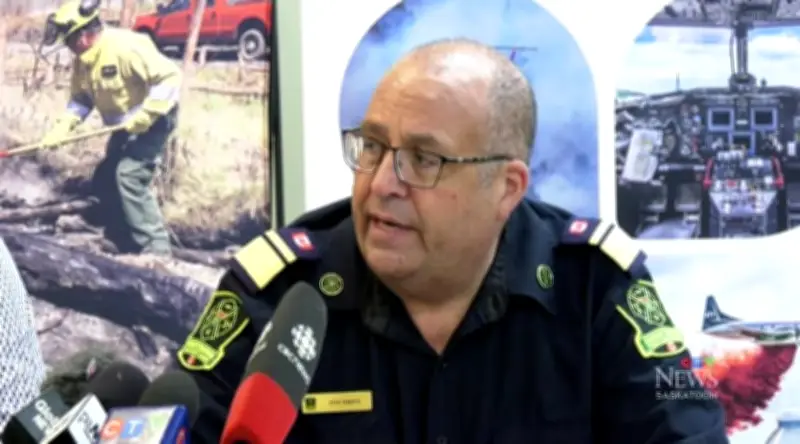
The Saskatchewan Public Safety Agency (SPSA) vice-president is stepping down following an independent review that concluded the province was not fully prepared for last year's historic wildfire season. The review, released on June 20, 2026, highlighted significant gaps in planning, resources, and coordination that hampered the response to the unprecedented fires.
Key findings of the review
The independent assessment detailed that Saskatchewan lacked sufficient firefighting personnel, equipment, and pre-season mitigation strategies. It noted that communications between agencies were fragmented, leading to delayed deployment of resources. The review also pointed to inadequate community evacuation plans and a need for better public alert systems.
According to the report, the 2025 wildfire season burned over 1.2 million hectares, destroying hundreds of structures and forcing the evacuation of thousands of residents. The vice-president, who has not been named publicly, accepted responsibility for the shortcomings and resigned effective immediately.

Impact on communities
The historic wildfire season caused widespread damage across northern and central Saskatchewan, with communities like La Ronge and Buffalo Narrows facing prolonged evacuations. Many residents criticized the government's response, citing delays in receiving aid and unclear communication. The review recommends investing in more firefighting aircraft, hiring additional seasonal staff, and establishing a centralized command system.
Premier Scott Moe acknowledged the findings and pledged to implement the recommendations. "We owe it to the people of Saskatchewan to ensure we are better prepared for future wildfire seasons," Moe said. "This review provides a clear roadmap for improvement."
Reactions and next steps
The SPSA has already begun recruiting new personnel and acquiring additional equipment ahead of the 2026 wildfire season. The agency is also working with Indigenous communities to develop tailored emergency plans. Critics, however, argue that the resignation alone is insufficient and call for broader leadership changes.
Environmental groups have linked the severity of the wildfire season to climate change, urging the province to adopt more aggressive emissions reduction targets. The review itself noted that rising temperatures and prolonged drought conditions are likely to increase the frequency and intensity of wildfires in the region.