The Inevitable Spring Thaw: Barrie's Snow Must Find Its Destination
As the calendar turns to early March in Barrie, residents are bracing for the annual transition from winter's grip to spring's embrace. The snow that has blanketed the city for months now faces its inevitable fate: melting away as temperatures gradually rise. This seasonal shift brings both relief and new challenges for the community.
The Science Behind Snowmelt
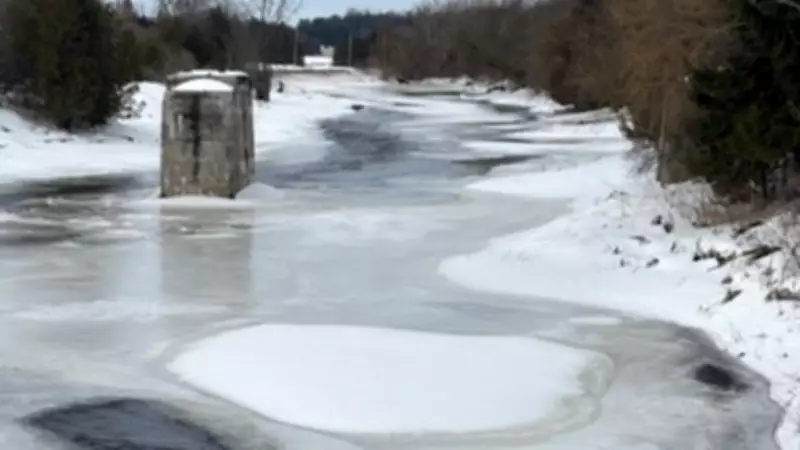
Meteorological experts explain that snow accumulation during Barrie's winter months doesn't simply disappear when warmer weather arrives. The melting process follows predictable hydrological patterns, with snowpack gradually releasing water that must flow somewhere. This water typically enters storm drains, streams, and eventually makes its way to Lake Simcoe, affecting water levels and quality throughout the watershed.
"The spring thaw is a natural process, but in urban environments like Barrie, it requires careful management," explains a local environmental scientist. "Impervious surfaces like roads and parking lots prevent proper absorption, leading to rapid runoff that can overwhelm drainage systems."

Municipal Preparations and Public Safety
Barrie's public works department has been preparing for this transition for weeks. Crews are clearing catch basins and storm drains to ensure proper water flow, while monitoring areas prone to flooding. Residents are advised to:
- Clear snow and ice from around home foundations
- Ensure downspouts direct water away from buildings
- Report any blocked drains or unusual pooling to municipal authorities
- Be cautious of slippery conditions as melting and refreezing occurs
The city has also implemented its annual spring road maintenance program, addressing potholes that often worsen during freeze-thaw cycles. These temperature fluctuations can be particularly damaging to infrastructure, creating hazards for drivers and pedestrians alike.
Environmental Considerations
As snow melts, it carries with it months of accumulated pollutants from roads, sidewalks, and rooftops. This contaminated runoff enters local waterways, affecting aquatic ecosystems. Environmental advocates emphasize the importance of proper snow disposal and minimizing salt use during winter months to reduce spring pollution.
"What melts off our streets doesn't just disappear," notes a watershed protection specialist. "It carries de-icing chemicals, microplastics, and other contaminants into our lakes and rivers. Spring is when we see the cumulative environmental impact of our winter maintenance practices."
Looking Ahead to Warmer Months
While the thaw presents challenges, it also signals the approaching end of Barrie's long winter. Parks and recreation departments are preparing outdoor facilities for spring use, and residents are beginning to plan for gardening and outdoor activities. The transition period typically lasts several weeks, with occasional snowfall still possible even as overall temperatures trend upward.
Local businesses that rely on seasonal changes are adjusting their operations, from landscaping companies preparing for increased demand to retailers transitioning from winter to spring merchandise. The economic ripple effects of the thaw extend throughout the community.
As Barrie moves through this annual transition, experts recommend patience and preparedness. The snow must go somewhere, and understanding where and how it moves helps the community navigate this seasonal change safely and sustainably. With proper planning and awareness, residents can welcome spring while managing the practical realities of winter's departure.