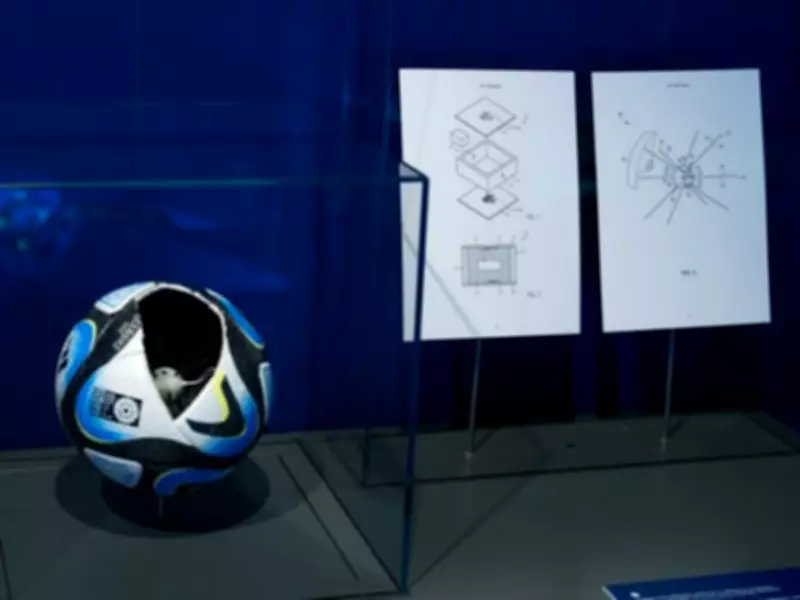
World Cup fans in Vancouver are in for a treat as a new exhibit, Soccer and Technology, opens at Science World. The traveling exhibition, presented in collaboration with the FIFA Museum, coincides with the FIFA World Cup 26 events and will run from May 15 to September 7.
What to Expect from the Exhibit
The exhibit is divided into five core sections, each highlighting a key aspect of modern soccer: broadcasting and media, intelligent data, refereeing and fair play, staging the game, and the innovation lab. Visitors will explore how technology tracks every movement, from ball to player, transforming data into decisions on and off the field.
Historic Memorabilia on Display
Among the featured items is the Team Canada jersey worn by superstar Christine Sinclair during the gold medal-winning game against Sweden at the 2020 Tokyo Olympics. Also on display is the match ball from the Canada vs. Croatia game at the 2022 World Cup.

Fiona Cole-Hamilton of Science World expressed excitement about the exhibit: "I'm watching it being unpacked and set up right now, and everything that comes out of a box is new and exciting. There is some really cool stuff, like the original tracking materials used to determine Pele's speed across the pitch from the days when stopwatches and slide rules were used."
Interactive Experiences
Visitors can try their hand at goal-line technology and other equipment used in the 2025 World Cup. The refereeing and fair play section allows fans to test their skills in making calls, showcasing the analysis behind every decision.
Cole-Hamilton added: "You can spend a moment shouting at the monitor when it doesn't agree. That should be quite a lot of fun."
Surprising Insights
The intelligent data section reveals that each player has up to three people coding and breaking down information from wearable equipment and the ball itself. This data is further analyzed to develop new strategies.
"I was really surprised to discover that each individual player has upwards of three people kind of coding and breaking down all of the information they are receiving," Cole-Hamilton said. "Then, all of that gets broken down into more data to analyze even further."