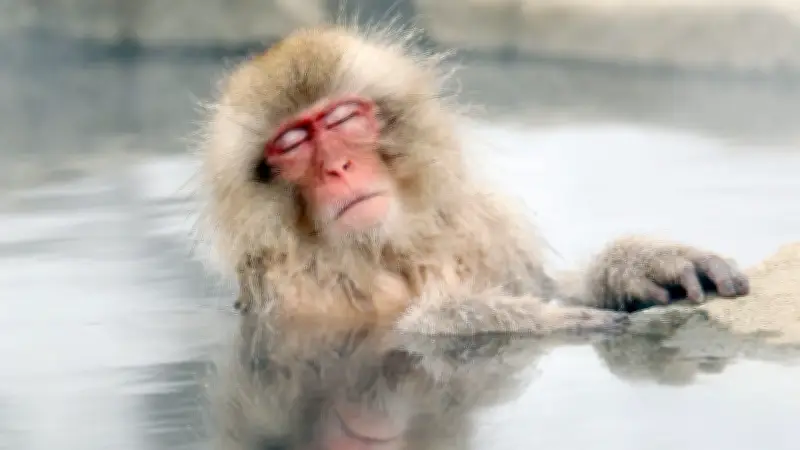
Japan's famous Jigokudani Monkey Park, known for its wild snow monkeys bathing in hot springs, will implement a daily visitor cap of 200 people starting next month. The decision comes after years of overcrowding and increasing incidents of bad behavior by tourists, according to park officials.
Overcrowding and Misbehavior Prompt Action
The park, located in the Jigokudani valley in northern Nagano Prefecture, has seen a surge in visitors, with peak days exceeding 1,000 people. This has led to problems such as tourists feeding the monkeys, leaving litter, and getting too close to the animals, disturbing their natural behavior. Park director Toshio Hagiwara stated, "We have reached a point where the monkeys' welfare is at risk. The cap is necessary to protect them and preserve the park's environment."
Details of the New Policy
Starting in July, the park will limit entry to 200 visitors per day, with advance reservations required. The cap will be in effect year-round, but may be adjusted during off-peak seasons. The park will also introduce stricter rules, including a ban on food and drinks inside the park, and designated viewing areas to keep visitors at a safe distance from the monkeys. Hagiwara added, "We want to ensure that both the monkeys and visitors have a positive experience. This change will allow for more controlled and respectful interactions."

Impact on Tourism and Conservation
The Jigokudani Monkey Park is a major tourist attraction, drawing visitors from around the world who come to see the Japanese macaques, or snow monkeys, soaking in the natural hot springs. The park has been a subject of numerous documentaries and photographs, contributing to local tourism. However, the influx of visitors has taken a toll on the environment and the monkeys' habitat. Conservationists have praised the cap as a necessary step for sustainable tourism. "This is a model for other wildlife attractions facing similar issues," said Dr. Yuki Tanaka, a primatologist at Kyoto University. "It prioritizes animal welfare over profit."
Broader Context of Overtourism
The move reflects a growing trend in Japan and other countries to combat overtourism at popular natural sites. Other locations, such as Mount Fuji and the ancient city of Kyoto, have also implemented visitor limits or fees to manage crowds and protect cultural and natural heritage. The Japanese government has encouraged such measures to balance tourism revenue with conservation. According to the Japan Tourism Agency, international visitors to Japan reached a record 35 million in 2025, putting pressure on popular destinations.
Reactions from Visitors and Locals
Some tourists have expressed disappointment over the cap, as securing a reservation may become difficult. However, many locals and frequent visitors support the change. "It was getting out of hand," said a local innkeeper in Yamanouchi town. "The monkeys are the reason people come here, but we were losing the very thing that makes this place special." The park hopes that the new policy will enhance the experience for those who do visit, allowing for quieter, more intimate encounters with the monkeys in their natural setting.