Greenland's Hunting Heritage Strengthens Community Resilience in the Arctic
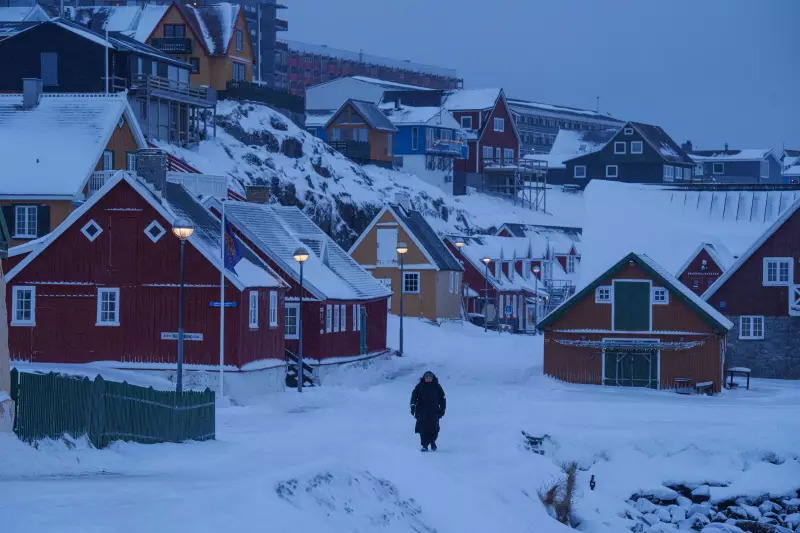
In the remote and often harsh environment of Greenland, traditional hunting practices are proving to be a vital component of emergency preparedness. Communities across the island nation, particularly in areas like Nuuk, are leveraging their deep-rooted cultural heritage to enhance resilience against potential crises. This approach involves the strategic storage of seal meat in freezers, a practice that not only preserves food but also safeguards a way of life.
The Role of Seal Meat in Sustaining Arctic Communities
Seal hunting has been a cornerstone of Inuit culture in Greenland for centuries, providing essential nutrition and materials. In recent times, the use of freezers to store seal meat has become increasingly common, allowing families to maintain a reliable food supply throughout the year. This method of preservation is especially crucial in the Arctic, where access to fresh produce can be limited due to extreme weather conditions and logistical challenges.
By keeping freezers stocked with seal meat, Greenlanders are better equipped to handle emergencies such as severe storms, supply chain disruptions, or other unforeseen events. This proactive measure ensures that communities have access to high-protein food sources when external aid might be delayed or unavailable. It represents a practical application of indigenous knowledge, blending tradition with modern technology to address contemporary needs.

Enhancing Emergency Preparedness Through Cultural Practices
The integration of hunting culture into emergency planning highlights a broader trend of recognizing and valuing local expertise in disaster management. In Greenland, where climate change and environmental shifts pose ongoing threats, these practices offer a model for sustainable preparedness. The reliance on seal meat freezers reduces dependency on imported goods, which can be vulnerable to price fluctuations and delivery issues.
Moreover, this approach fosters community cohesion and self-sufficiency. Hunting and sharing seal meat reinforce social bonds and collective responsibility, key elements in building resilient societies. As global attention turns to Arctic regions amid changing geopolitical and environmental landscapes, Greenland's example underscores the importance of preserving cultural traditions while adapting to new challenges.
In summary, Greenland's hunting culture, with its emphasis on seal meat storage, serves as a powerful tool for emergency preparedness. By honoring and utilizing these age-old practices, communities are not only safeguarding their food security but also strengthening their ability to withstand and recover from crises in the unforgiving Arctic environment.