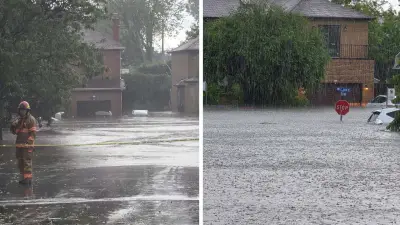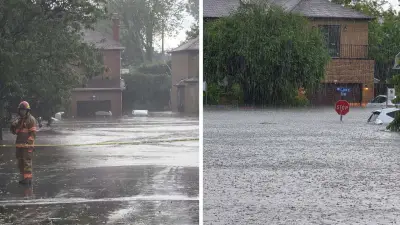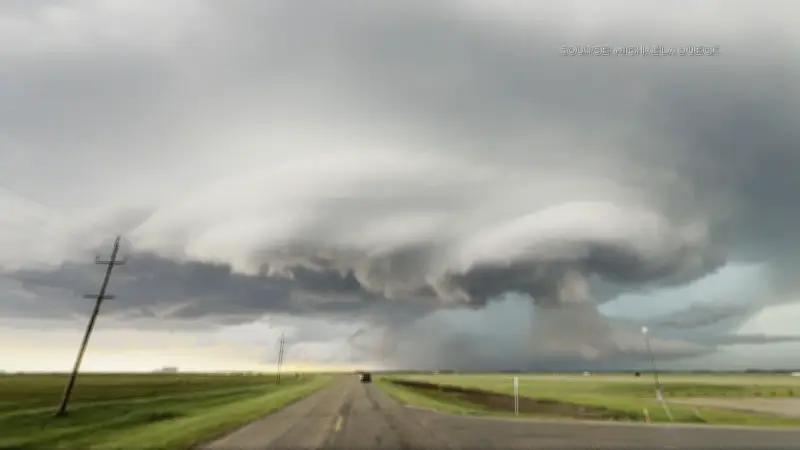
A team of scientists and engineers is studying the aftermath of severe storms in Manitoba to gain insights that could improve future storm prediction and infrastructure resilience. The research, reported by Daniel Halmarson on June 25, 2026, focuses on the damage patterns and meteorological data collected after recent extreme weather events in the province.
Research aims to enhance storm forecasting
The study involves analyzing the physical impacts of storms, including wind damage, flooding, and debris distribution, to refine computer models that predict storm behavior. By understanding how storms interact with Manitoba's unique geography and built environment, researchers hope to provide more accurate warnings and inform building codes.
According to the report, the team is collaborating with local emergency management agencies to access damage assessment data. This collaboration allows for a comprehensive analysis of storm intensity and track, which can be used to validate and improve existing weather prediction tools.

Infrastructure resilience a key focus
One of the primary goals is to identify vulnerabilities in critical infrastructure such as power grids, roads, and communication networks. The findings could lead to design changes that make these systems more resistant to extreme weather, reducing downtime and repair costs.
The research also examines the role of climate change in intensifying storms. Preliminary data suggests that warmer temperatures and increased moisture in the atmosphere may be contributing to more frequent and severe events in the region.