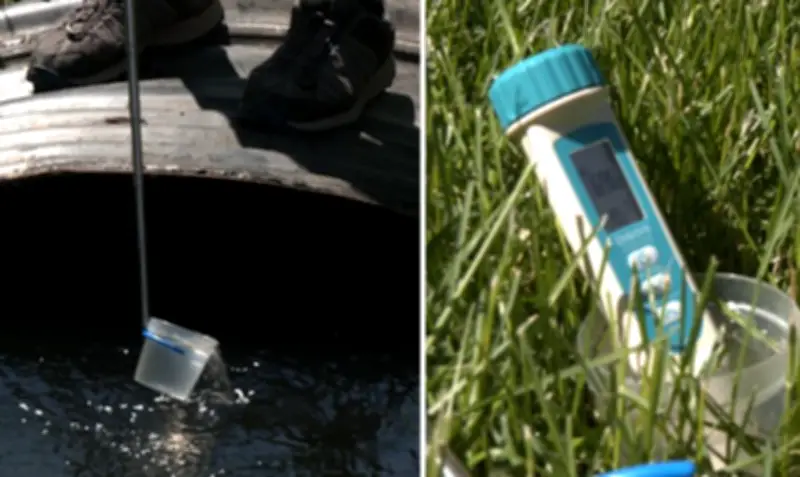
Water testing conducted in Muskoka, Ontario on Tuesday, June 16, 2026, has revealed elevated salinity levels, raising concerns among local residents and environmental officials. The findings, reported by CTV News, indicate that the region's freshwater bodies are experiencing an increase in salt content, which could have significant implications for aquatic life and water quality.
Salinity Levels on the Rise
Preliminary data from the testing shows that several lakes and rivers in Muskoka have salt concentrations higher than historical averages. While the exact cause is still under investigation, experts point to potential sources such as road salt runoff, agricultural activities, and climate change impacts. The phenomenon, often referred to as 'salty water,' has been observed in other parts of Canada and is linked to environmental degradation.
Potential Environmental Impacts
High salinity levels can harm freshwater ecosystems by affecting the survival of fish, plants, and other organisms. It can also alter water chemistry, making it less suitable for drinking and recreational use. Local environmental groups are calling for immediate action to identify and mitigate the sources of salt pollution.

Community and Official Response
Muskoka residents have expressed concern over the findings, with some noting changes in water taste and clarity. Municipal officials are collaborating with provincial environmental agencies to conduct further studies and develop management strategies. Public information sessions are being planned to educate the community about the issue and possible solutions.
This development adds to growing environmental challenges in the region, which is known for its pristine lakes and tourism industry. Stakeholders emphasize the need for sustainable practices to preserve Muskoka's natural heritage.