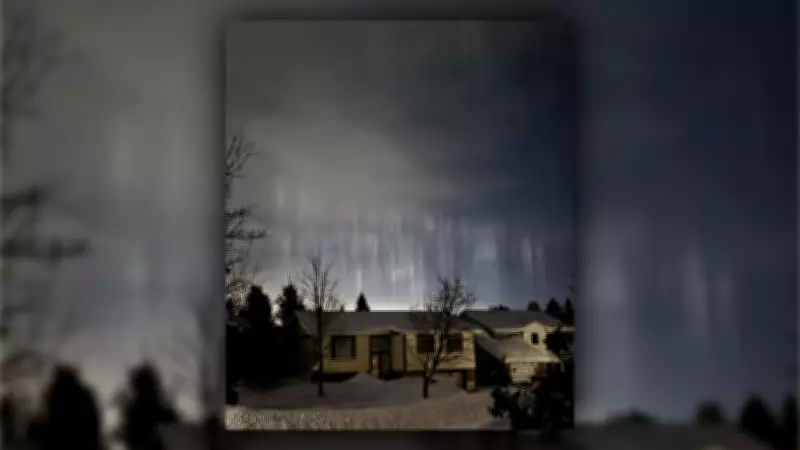
Rare Light Pillars Illuminate Barrie Skies: Understanding the Atmospheric Phenomenon
Residents in the Barrie area were treated to a spectacular natural light show in the early morning hours of January 29, 2026. The rare atmospheric phenomenon known as light pillars created vertical beams of light that appeared to extend from the ground into the sky, creating a mesmerizing visual display that captured the attention of early risers and weather enthusiasts alike.
The Early Morning Spectacle
The light pillars were recorded at approximately 5:30 a.m. from north Barrie, appearing over south Barrie. The timing coincided with the coldest hours of the morning when atmospheric conditions were most favorable for this type of optical display. Witnesses described the pillars as ethereal columns of light that seemed to defy conventional understanding of how light behaves in the atmosphere.
What Creates Light Pillars?
Light pillars are an atmospheric optical phenomenon that occurs when light reflects off ice crystals suspended in the air. These ice crystals typically form in cold, calm conditions when temperatures drop significantly. The phenomenon requires specific atmospheric conditions to manifest, making sightings relatively rare in most regions.

The science behind light pillars involves several key factors:
- Flat, hexagonal ice crystals that form in the atmosphere
- Calm atmospheric conditions that allow crystals to orient horizontally
- Light sources from the ground (such as streetlights or building lights)
- Extremely cold temperatures that facilitate crystal formation
When these conditions align, the ice crystals act like millions of tiny mirrors, reflecting light sources upward and creating the illusion of vertical light columns extending into the sky. The pillars appear to originate from the light source but actually exist as reflections in the atmosphere.
Why Barrie Experienced This Phenomenon
The Barrie area's location and current weather patterns created ideal conditions for light pillar formation. The region experienced particularly cold temperatures in late January 2026, with wind chill values making it feel like -35 degrees Celsius in some areas. This extreme cold facilitated the formation of the necessary ice crystals in the lower atmosphere.
Additionally, Barrie's urban lighting provided ample light sources for the ice crystals to reflect. The combination of artificial lighting from the city and the perfect atmospheric conditions resulted in the striking display witnessed by residents. Similar conditions have produced light pillars in other northern communities, but the intensity and clarity of the Barrie display made it particularly noteworthy.
Historical Context and Similar Events
While light pillars are relatively rare, they have been documented in various cold climate regions around the world. Canada's northern locations frequently experience similar atmospheric phenomena due to extended periods of cold weather. However, sightings in southern Ontario communities like Barrie are less common and therefore generate significant interest when they occur.
The January 2026 event follows a pattern of increasing documentation of atmospheric optical phenomena as more people carry camera-equipped smartphones and share their observations through social media and community networks. This has led to greater public awareness and scientific interest in these natural light displays.
Scientific Significance and Public Interest
Atmospheric scientists note that light pillars serve as visible indicators of specific weather conditions. Their appearance suggests the presence of ice crystals in the lower atmosphere and extremely cold temperatures at ground level. For meteorologists and climate researchers, such events provide valuable observational data about atmospheric conditions and ice crystal formation.
For the general public, light pillars represent one of nature's most visually striking displays. The phenomenon bridges scientific understanding with aesthetic appreciation, reminding observers of the complex and beautiful interactions between light, atmosphere, and weather conditions. The Barrie event prompted numerous residents to share photographs and descriptions, creating community engagement around a shared natural experience.

The light pillars over Barrie serve as a reminder of how atmospheric conditions can create unexpected visual wonders, even in urban environments. While scientifically explainable, the phenomenon continues to captivate those fortunate enough to witness it firsthand.