Quebec Floodwaters Show Signs of Stabilization Amid Widespread Damage
Residents across Quebec are cautiously optimistic as water levels on the Ottawa River begin to stabilize, offering a much-needed reprieve after days of relentless flooding. The situation remains critical, with nearly 500 buildings in Gatineau alone affected by the rising waters, but the slowing pace of the inundation has sparked hope that the worst may be over.
A Glimmer of Hope in a Devastating Crisis
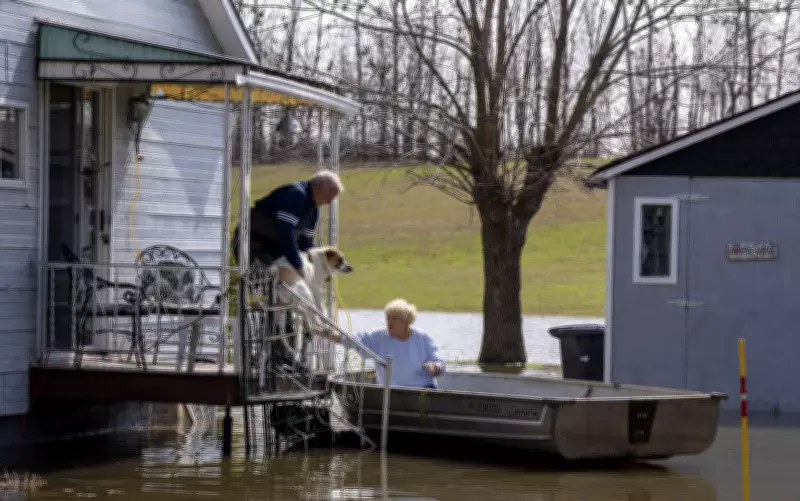
Emergency crews and local authorities report that the Ottawa River's water levels are finally showing signs of plateauing. This stabilization comes after extensive flooding forced numerous evacuations, including homeowners like Chris and Sue, who were seen loading their dog Buddy onto a boat to escape their Rigaud residence as floodwaters encroached. The visual of families fleeing their homes underscores the severe personal toll of this natural disaster.
The stabilization is a critical development, but officials warn that many areas remain submerged and the recovery process will be lengthy. Nearly 500 buildings in Gatineau have been impacted, with water damage affecting residential properties, businesses, and infrastructure. The sheer scale of the flooding has overwhelmed local resources, prompting calls for additional support and highlighting the vulnerability of communities along the river.

Broader Context of Environmental Challenges
This flooding event occurs against a backdrop of increasing climate-related incidents across Canada. From spring storms pummeling eastern Alberta with heavy snow and rain to low temperature records being set in the Maritimes, the nation is grappling with extreme weather patterns. The Quebec floods serve as a stark reminder of the urgent need for comprehensive environmental policies and infrastructure resilience.
While the immediate focus is on stabilization and recovery, the long-term implications of such events cannot be ignored. Experts point to the necessity of improved flood management strategies and community preparedness to mitigate future risks. The current crisis in Quebec may prompt renewed discussions on national flood insurance programs and sustainable urban planning to protect vulnerable regions.
Community Resilience and Ongoing Efforts
Despite the challenges, the response from communities and emergency services has been commendable. Volunteers and officials are working tirelessly to assist those displaced by the floods, providing shelter, supplies, and emotional support. The stabilization of water levels allows for more focused recovery operations, including damage assessments and the beginning of cleanup efforts.
As Quebec navigates this difficult period, the slight easing of floodwaters offers a beacon of hope. However, authorities emphasize that vigilance remains essential, as conditions can change rapidly. Residents are advised to stay informed through official channels and adhere to safety guidelines until the all-clear is given.