Polar Bears in Norway's Arctic Defy Climate Expectations with Improved Health
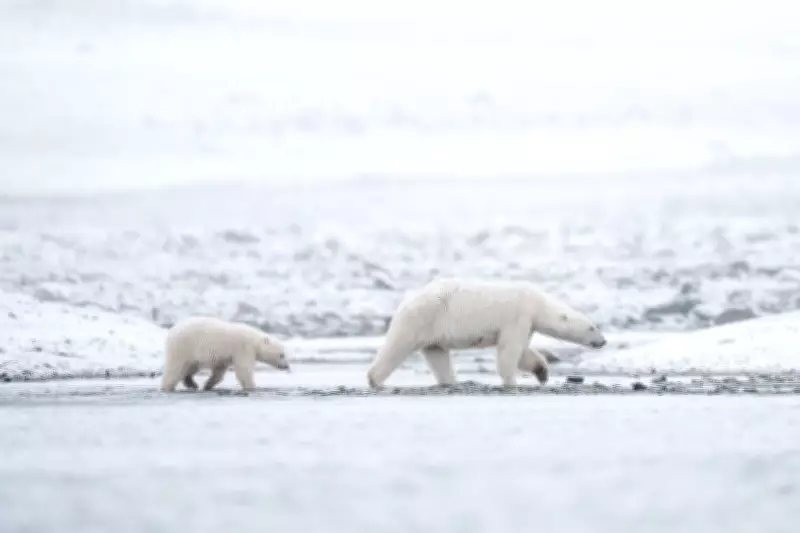
In a counterintuitive development that has captured scientific attention, polar bears inhabiting Norway's remote Arctic archipelago of Svalbard are demonstrating remarkable resilience. Contrary to widespread concerns about melting sea ice threatening their survival, these iconic predators are actually gaining weight and showing signs of improved overall health. This unexpected trend presents a complex narrative in the ongoing story of climate change impacts on vulnerable Arctic ecosystems.
Surprising Findings from Svalbard's Frozen Frontiers
Researchers monitoring polar bear populations in the Norwegian Arctic have documented measurable increases in body condition among adult bears, particularly females. The animals appear to be adapting their hunting strategies and dietary patterns to compensate for changing environmental conditions. While sea ice continues to retreat at alarming rates, these bears have demonstrated an unexpected capacity to find alternative food sources and maintain their nutritional needs.
The improved health metrics include not only increased body mass but also better reproductive indicators and overall physical condition. Scientists note that while this represents a positive development for the local population, it does not diminish the broader threats facing polar bears across their entire Arctic range. The Svalbard population's apparent adaptation offers valuable insights into how some wildlife might respond to environmental pressures.

Adaptation Strategies in a Changing Arctic
Experts suggest several factors may contribute to this surprising development. Polar bears in this region have shown remarkable behavioral flexibility, including:
- Expanding their hunting territories to include new coastal areas
- Diversifying their prey selection beyond traditional seal hunting
- Utilizing alternative food sources during ice-free periods
- Adjusting their seasonal movement patterns to optimize feeding opportunities
These adaptive behaviors appear to be helping the bears maintain adequate fat reserves despite the challenges posed by diminishing sea ice. The phenomenon highlights the complexity of ecosystem responses to climate change, where local conditions and species adaptability can create unexpected outcomes.
Scientific Implications and Conservation Considerations
While the improved health of Norway's polar bears offers a glimmer of hope, researchers emphasize this should not be interpreted as evidence that climate change poses no threat to Arctic species. The situation in Svalbard represents a specific case study with unique environmental factors that may not be replicable across all polar bear habitats. Conservation biologists continue to monitor these developments closely, recognizing that long-term survival will depend on both species adaptability and meaningful climate action.
The Norwegian findings contribute to a growing body of research examining how Arctic wildlife responds to environmental change. As scientists continue to study these remarkable adaptations, the polar bears of Svalbard serve as both a symbol of resilience and a reminder of the urgent need to address the root causes of climate change affecting polar regions worldwide.