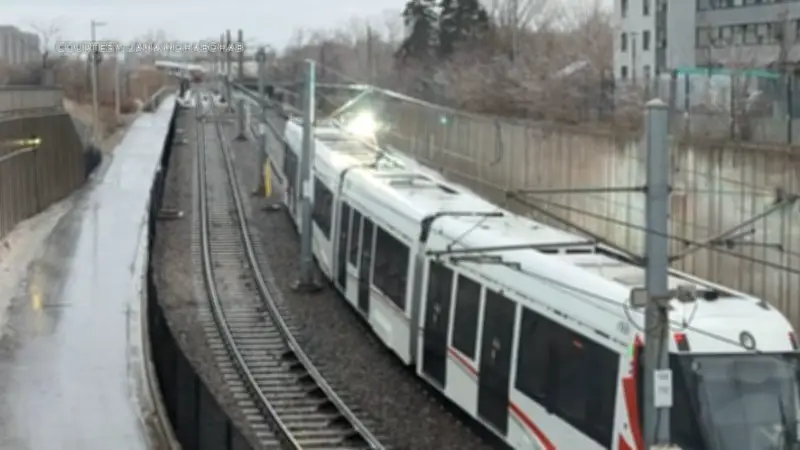
Ottawa taxpayers are facing a $2 million bill to install heat tracing on the overhead powerlines of O-Train Line 1, following a freezing rain event that caused significant sparking and damage near Lees Station. The incident, captured on video, showed visible sparks and damage to the wires, prompting urgent safety measures.
Why Heat Tracing Is Needed
Heat tracing systems are designed to prevent ice buildup on powerlines, which can lead to electrical faults and service disruptions. The March 2026 freezing rain storm exposed vulnerabilities in the O-Train's infrastructure, leading to this costly but necessary upgrade. The City of Ottawa has approved the funding to ensure reliable and safe transit operations during winter weather.
Impact on Commuters
The O-Train Line 1 is a critical transit artery for thousands of daily commuters. The heat tracing installation aims to minimize future weather-related delays and hazards. While the $2 million price tag has drawn criticism from some taxpayers, city officials emphasize the long-term benefits of preventing costly outages and ensuring passenger safety.

This investment comes as Ottawa prepares for increased transit demands, including upcoming FIFA World Cup events. The city is also exploring additional measures to protect transit infrastructure from extreme weather, which is becoming more frequent due to climate change.