The City of Ottawa announced the reopening of Lalande Conservation Park in Orléans on June 26, 2026, after closing the park earlier in the month due to a coyote attack. The park had been shut down since June 6, 2026, following an incident where a coyote attacked a visitor, prompting immediate safety concerns.
Details of the Coyote Incident
The attack occurred on June 6, 2026, when a coyote confronted a park user, leading to minor injuries. According to city officials, the victim was treated at the scene and did not require hospitalization. The coyote was later located and euthanized by wildlife authorities after testing negative for rabies, as confirmed by the Ottawa Public Health.
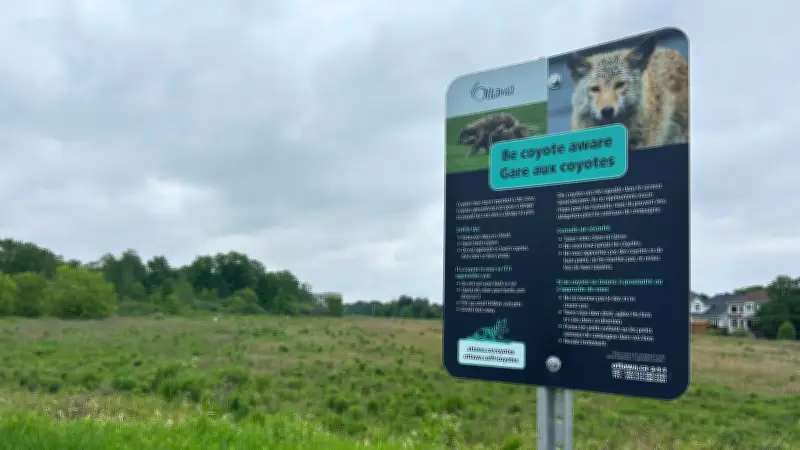
Warning signs were posted at all park entrances prior to the closure, advising visitors to be vigilant and keep pets leashed. The City of Ottawa worked closely with the National Capital Commission and wildlife experts to assess the situation and implement preventive measures.

Reopening with Enhanced Safety Measures
The park reopened at 10:00 AM EDT on June 26, with additional signage and public awareness campaigns. “We are confident that the park is safe for visitors again,” said a city spokesperson. “We encourage everyone to enjoy the natural beauty of Lalande Conservation Park while staying aware of wildlife.”
New measures include increased patrols by bylaw officers, updated emergency contact information posted at trailheads, and educational materials about coexisting with coyotes. The city also launched a public information campaign urging residents to avoid feeding wildlife and to secure garbage bins.
Background on Coyote Encounters in Ottawa
Coyote sightings have been on the rise in Ottawa’s suburban and green spaces over the past year. According to the Ottawa Valley Wild Animal Care Centre, there were 45 reported coyote encounters in 2025, a 20% increase from 2024. The city advises residents to report aggressive wildlife to 311 and to use the “hazing” technique—making loud noises or waving arms to scare off coyotes.
“Coyotes are naturally wary of humans, but they can become habituated if they find food sources,” explained Dr. Sarah Mitchell, a wildlife biologist with the University of Ottawa. “The key is to remove attractants and never approach them.”
Community Reaction and Future Plans
Local residents expressed relief at the park’s reopening. “This park is a gem for our community,” said Orléans resident Marie Leclerc. “I’m glad the city acted quickly to make it safe again.” The city plans to host a community meeting next month to discuss long-term wildlife management strategies for conservation areas.
The City of Ottawa reminds visitors to stay on designated trails, keep dogs on a leash no longer than two meters, and carry a whistle or air horn as a precaution. For more information, residents can visit ottawa.ca/wildlife.