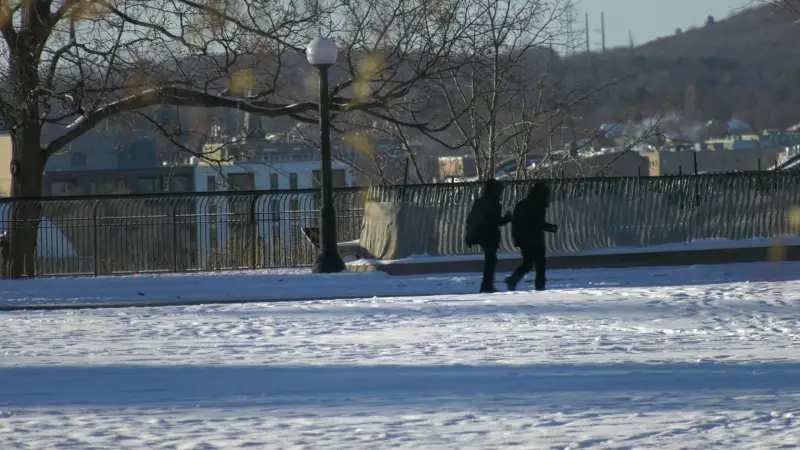
Ottawa Braces for Deep Freeze as Polar Vortex Descends on Region
The nation's capital is preparing for a significant temperature drop this week, with forecasters predicting the coldest conditions Ottawa has experienced in three years. A polar vortex is moving into the region, bringing with it dangerously low temperatures that have prompted immediate action from city officials and emergency services.
Temperature Projections and Historical Context
Meteorological models indicate that Ottawa could see temperatures plummeting to levels not recorded since early 2023. The approaching cold front is expected to bring sustained sub-zero conditions throughout the week, with overnight lows potentially reaching critical thresholds that pose serious health risks to vulnerable populations.
This weather event represents a significant shift from recent winter patterns in the region. While Ottawa residents are accustomed to cold winters, the intensity and duration of this upcoming freeze have raised particular concerns among emergency planners and public health officials.

City's Comprehensive Cold Weather Response
In anticipation of the extreme conditions, Ottawa has activated its cold weather response plan, which includes several key components designed to protect residents from the dangerous temperatures:
- Emergency Warming Centers: The city has opened additional warming centers that will operate with extended hours throughout the cold spell. These facilities provide heated spaces, hot beverages, and basic necessities for those seeking refuge from the cold.
- Outreach to Vulnerable Populations: Specialized teams are conducting targeted outreach to homeless individuals, seniors living alone, and other at-risk community members to ensure they have access to appropriate shelter and resources.
- Transportation Assistance: Additional transportation options have been arranged to help people reach warming centers and emergency shelters, particularly during overnight hours when temperatures are most dangerous.
- Public Health Advisories: Health officials have issued detailed cold weather advisories emphasizing the risks of frostbite and hypothermia, along with practical guidance for staying safe during extreme cold conditions.
Community Support and Volunteer Mobilization
Local organizations and volunteer networks have mobilized to support the city's official response efforts. Community centers, religious institutions, and nonprofit groups are coordinating to provide additional warming spaces and distribute cold weather supplies including blankets, winter clothing, and emergency kits.
The coordinated response reflects lessons learned from previous extreme weather events, with particular attention to ensuring that services are accessible to all residents regardless of their circumstances or location within the city.
Longer-Term Infrastructure Considerations
While the immediate focus remains on emergency response, city planners are also considering the longer-term implications of increasingly frequent extreme weather events. The current cold snap has renewed discussions about winter infrastructure resilience, including the adequacy of shelter systems, emergency heating capabilities, and cold weather preparedness across municipal services.
Public works departments have been placed on alert status, with additional resources allocated to maintain critical infrastructure and respond to weather-related emergencies that may arise during the prolonged cold period.
Resident Preparedness and Safety Recommendations
Officials are urging all Ottawa residents to take precautions during the coming cold spell:

- Limit Outdoor Exposure: Minimize time spent outdoors, especially during early morning and evening hours when temperatures are typically lowest.
- Proper Winter Attire: Wear multiple layers of clothing, including insulated outerwear, hats, gloves, and appropriate footwear when venturing outside.
- Home Heating Safety: Ensure home heating systems are functioning properly and follow safety guidelines for space heaters and other supplemental heating devices.
- Check on Neighbors: Particularly for elderly or vulnerable neighbors who may need assistance during extreme weather conditions.
- Emergency Preparedness: Maintain emergency supplies including non-perishable food, water, medications, and alternative heating sources in case of power outages or other weather-related disruptions.
The city will continue to monitor weather conditions closely and adjust its response as needed throughout the week. Regular updates will be provided through official channels as the situation develops.