Ontario Men Fined $7,610 for Illegal Fishing and Camping Along French River
Three men from Ontario have pleaded guilty to charges related to illegal fishing and unauthorized camping activities within French River Provincial Park, resulting in significant fines and a fishing prohibition. The individuals were fined a total of $7,610 and have been banned from fishing for one year following their admissions in court.
Details of the Violations
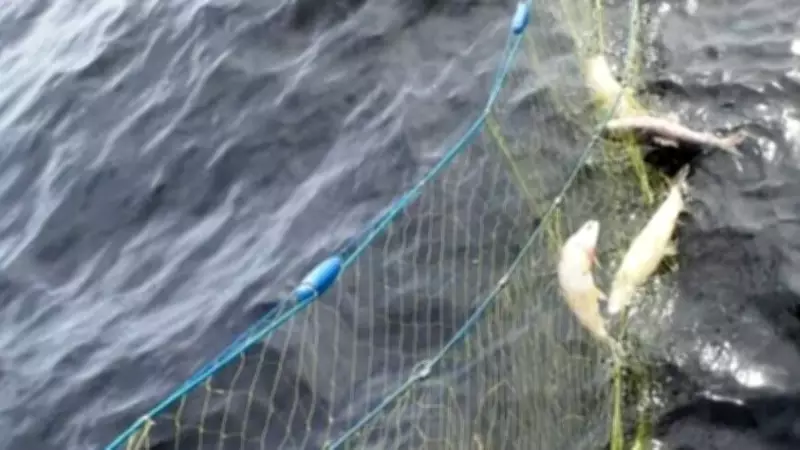
The charges stem from the use of gillnets, a fishing method that is prohibited in the park due to its harmful impact on aquatic ecosystems. Gillnets are known for their non-selective nature, often catching and killing fish indiscriminately, including non-target species and juveniles, which can disrupt local fish populations and biodiversity. In addition to the illegal fishing, the men were found to have camped in areas not designated for such use, violating park regulations designed to protect natural habitats and ensure public safety.
Legal and Environmental Consequences
The fines imposed reflect the seriousness of the offenses, with authorities emphasizing the importance of adhering to conservation laws in provincial parks. The one-year fishing ban serves as a deterrent against future violations, aiming to promote responsible outdoor practices. French River Provincial Park, located in northern Ontario, is a popular destination for recreational activities, and incidents like this highlight ongoing challenges in enforcing environmental protections.

Broader Context of Park Enforcement
This case is part of a larger effort by Ontario's Ministry of Natural Resources and Forestry to combat illegal activities in protected areas. Similar violations have been reported in other provincial parks, leading to increased patrols and public awareness campaigns. The ministry encourages visitors to familiarize themselves with park rules, which include restrictions on fishing methods, camping permits, and waste disposal, to help preserve these natural spaces for future generations.
Environmental advocates have praised the enforcement actions, noting that illegal fishing and camping can cause long-term damage to fragile ecosystems. They urge the public to report suspicious activities and support conservation initiatives through compliance and education.