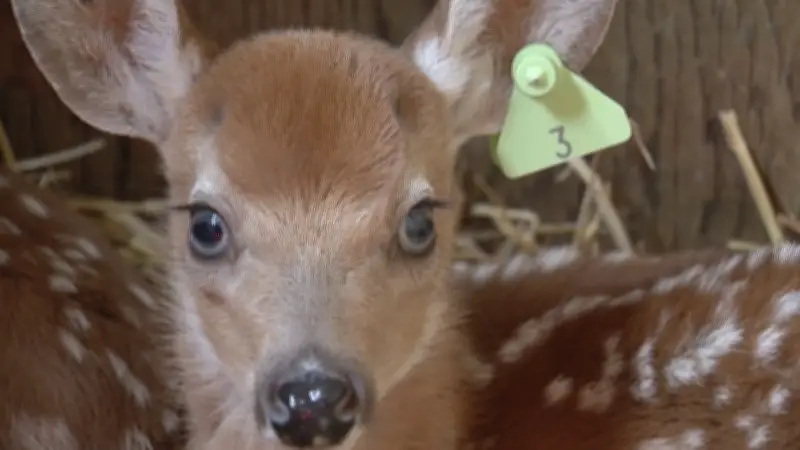
Hope For Wildlife, a wildlife rehabilitation centre in Nova Scotia, is currently caring for 14 orphaned white-tailed deer fawns. The influx of young deer has placed additional demands on the facility's resources and staff.
Spring Surge in Orphaned Fawns
Each spring, wildlife centres across the province see an increase in orphaned or injured animals. The white-tailed deer fawns at Hope For Wildlife arrived after being separated from their mothers due to various incidents, including vehicle collisions and human interference.
Care and Rehabilitation
The centre provides around-the-clock care for the fawns, including specialized feeding and medical attention. Staff and volunteers work to ensure the animals are healthy and able to return to the wild once they are old enough to survive independently.

Wildlife experts urge the public to avoid approaching or handling young deer, as mothers often leave their fawns alone for extended periods while foraging. Human intervention can inadvertently cause more harm than good.
Community Support
Hope For Wildlife relies on donations and community support to continue its work. The centre encourages people to contribute financially or volunteer their time to help with the growing number of animals in need.
For those who encounter a fawn believed to be orphaned, officials recommend contacting a licensed wildlife rehabilitator before taking any action.