Northern Lights Deliver 'Intense Display' in Skies Over North America
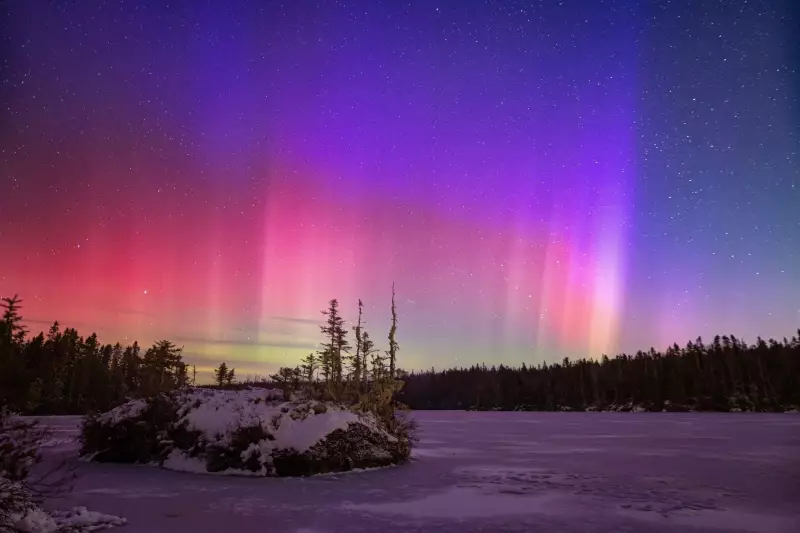
Residents across Canada and the northern United States were treated to a breathtaking celestial spectacle as the Aurora Borealis, commonly known as the Northern Lights, illuminated the night sky with an intense and vibrant display. This natural phenomenon, caused by solar particles interacting with Earth's atmosphere, painted the heavens with shimmering curtains of green, pink, and purple light, captivating onlookers from coast to coast.
A Widespread Natural Wonder
The auroral activity was particularly strong, allowing visibility far beyond typical Arctic regions. Reports and social media posts flooded in from provinces like Ontario, Alberta, and British Columbia, as well as northern states in the U.S., showcasing the widespread nature of this event. Enthusiasts and casual observers alike shared images and videos of the dazzling lights dancing across the horizon, often described as one of the most vivid shows in recent memory.
The Science Behind the Spectacle
This intense display is a result of heightened solar activity, where charged particles from the sun collide with gases in Earth's magnetosphere. These collisions excite oxygen and nitrogen molecules, causing them to emit photons of light. The colors observed depend on the type of gas and altitude of the interaction; green is most common from oxygen at lower altitudes, while reds and purples can appear from nitrogen or higher-altitude oxygen.

Space weather forecasts had predicted increased auroral activity, but the actual intensity surpassed many expectations. Scientists note that such events are more frequent during periods of solar maximum, part of the sun's 11-year cycle, which can lead to more frequent and brilliant auroras.
Community and Cultural Impact
Beyond the scientific fascination, the Northern Lights hold deep cultural significance, especially for Indigenous communities in Canada's North, where they are often woven into stories and traditions. For many urban dwellers in southern regions, this event provided a rare opportunity to witness this natural marvel without traveling to remote areas, fostering a sense of wonder and connection to the environment.
Local astronomy groups and weather services encouraged people to venture away from city lights for the best views, leading to gatherings in parks and rural areas. The display also sparked conversations about light pollution and its effects on our ability to observe such phenomena.
Looking Ahead
While this particular display has subsided, experts suggest that auroral activity may remain elevated in the coming months, offering more chances for sightings. They recommend monitoring space weather alerts and being prepared for clear, dark nights to maximize viewing opportunities. Whether as a fleeting moment of beauty or a subject of scientific study, the Northern Lights continue to inspire awe across North America.