Groundbreaking Discovery of a New Spinosaurus Species in Niger
In a remarkable paleontological breakthrough, researchers have uncovered fossils of a previously unknown species of the gigantic dinosaur Spinosaurus in Niger. This discovery, announced in February 2026, is reshaping our understanding of these formidable predators that roamed North Africa during the Cretaceous period, approximately 95 to 100 million years ago.
Unearthing a Prehistoric Giant
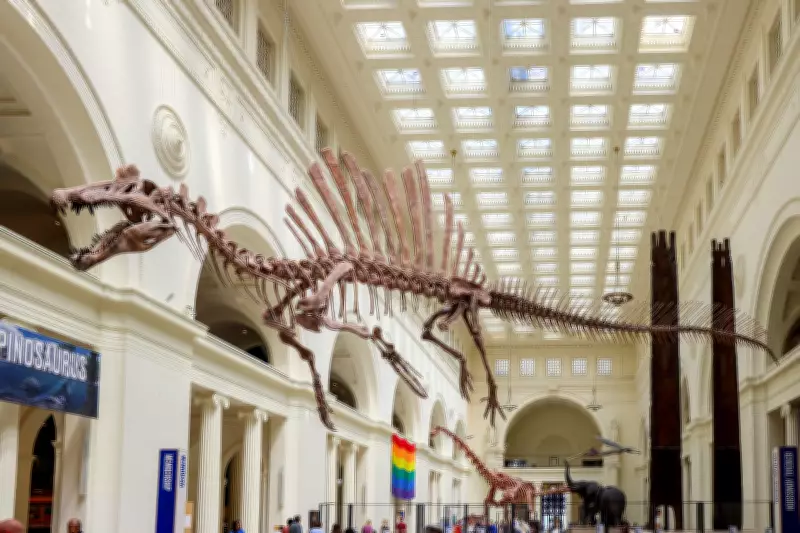
The excavation in Niger has yielded partial skeletal remains, including vertebrae, limb bones, and distinctive neural spines, which are characteristic of Spinosaurus. These fossils indicate that this new species was an immense creature, estimated to have reached lengths of up to 50 feet (about 15 meters) and weighed several tons. The find adds to the growing evidence that Spinosaurus was one of the largest carnivorous dinosaurs, potentially rivaling or even surpassing the size of the famous Tyrannosaurus rex.
This discovery is particularly significant because it provides new data on the diversity and distribution of Spinosaurus across ancient Africa. Previously, most Spinosaurus fossils have been found in Morocco and Egypt, making the Niger specimens crucial for piecing together the evolutionary history of this genus. The fossils suggest adaptations for a semi-aquatic lifestyle, such as elongated jaws and conical teeth suited for catching fish, supporting theories that Spinosaurus spent much of its time in water.

Implications for Dinosaur Research
The unearthing of this new species offers paleontologists fresh insights into the ecology and behavior of Spinosaurus. Analysis of the bones reveals clues about its diet, movement, and habitat preferences, contributing to ongoing debates about whether these dinosaurs were primarily aquatic hunters or more versatile predators. The Niger site, once part of a vast river system, provides context for how Spinosaurus thrived in wetland environments, dominating both land and water ecosystems.
Key aspects of this discovery include:
- Enhanced understanding of Spinosaurus evolution and adaptation in different regions of Africa.
- New evidence supporting the theory of semi-aquatic behavior in large theropod dinosaurs.
- Potential for future excavations in Niger to uncover more fossils, shedding light on Cretaceous-era biodiversity.
This finding underscores the importance of continued paleontological exploration in understudied areas like Niger, where ancient deposits may hold further secrets about prehistoric life. As researchers continue to study these fossils, they aim to reconstruct a more complete picture of Spinosaurus, from its physical characteristics to its role in the ecosystem.