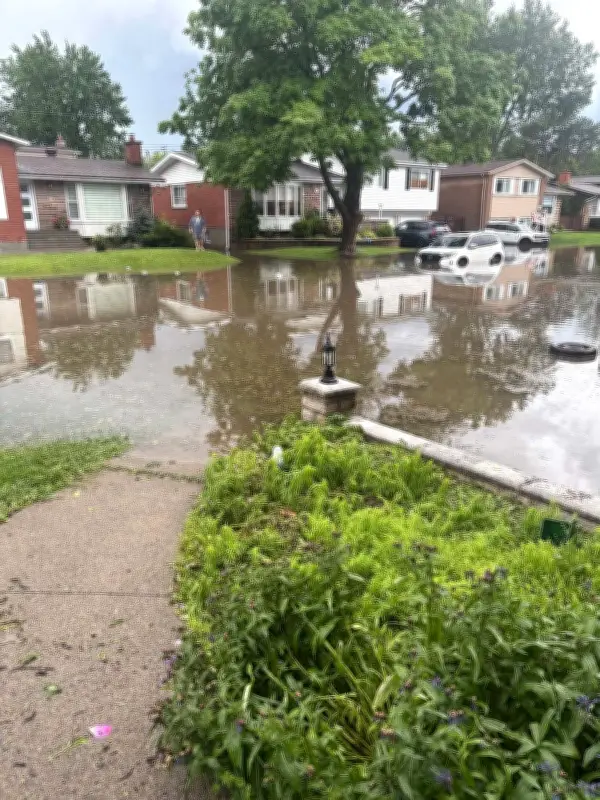
Montreal is grappling with widespread flooding after a heavy rainfall event on June 20, 2026, prompting renewed scrutiny of the city's aging infrastructure. The downpour inundated streets, basements, and buildings across the metropolitan area, particularly affecting the borough of Dollard-des-Ormeaux, where a flooded residential street was captured in a handout photo provided by Shirley Dahan.
Immediate impacts and response
Residents reported water entering homes and vehicles stranded on submerged roads. The City of Montreal activated emergency protocols, deploying crews to clear blocked drains and assist affected households. According to a representative from the insurance industry, individuals should contact their insurers as soon as possible after damage to buildings from rain and water. The flooding has raised questions about whether Montreal's drainage systems can cope with increasingly intense precipitation events linked to climate change.
Broader context: climate and infrastructure
The event is not isolated. A recent study highlighted that Mexico, Italy, and other regions now experience up to two more months of heat stress than in the 1970s, underscoring global climate shifts. In Montreal, officials have long warned that infrastructure upgrades are needed to handle extreme weather. The flooding renews calls for investment in green infrastructure, such as permeable pavements and expanded stormwater retention systems.

Economic and social toll
The flooding caused significant property damage, with cleanup costs expected to run into millions of dollars. Local businesses faced closures, and some residents were temporarily displaced. The City of Montreal is assessing the damage and considering emergency relief measures. The incident also disrupted transportation, with several roads closed and public transit delays reported.
Looking ahead
Experts emphasize that adapting to heavier rainfall requires both immediate fixes and long-term planning. Montreal's mayor has pledged to review the city's infrastructure resilience and prioritize funding for upgrades. As climate change continues to intensify weather patterns, cities like Montreal must act swiftly to protect residents and property from future flooding events.