Communities across Manitoba are confronting a daunting reality as they begin to assess the damage from the deadly 2025 wildfire season, with leaders warning that the path to recovery will span years. The season, marked by intense and fast-moving fires, forced evacuations, threatened homes, and left deep scars on the landscape and the people who call it home.
A Season of Crisis and Courage
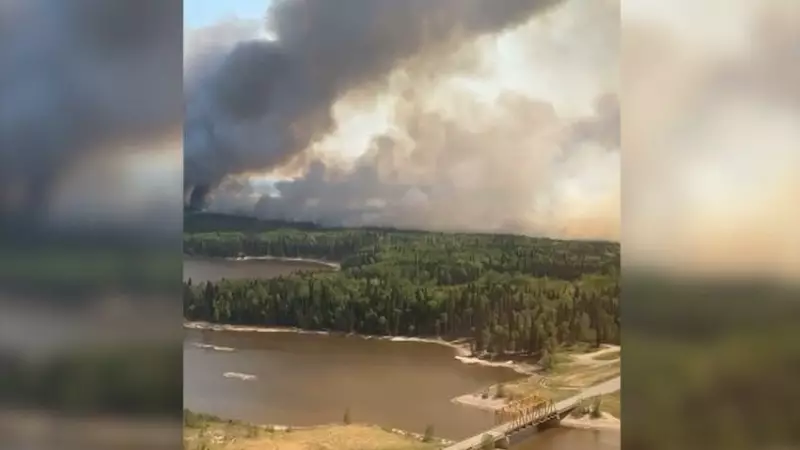
The severity of the threat was captured starkly in early June 2025 by Chief David Monias of Pimicikamak Cree Nation. From a helicopter, he recorded aerial footage of massive forest fires advancing toward his community. This visceral documentation highlighted the immediate danger faced by remote and Indigenous communities, which are often on the front lines of such climate-driven disasters. The fires tested emergency response plans and the resilience of residents, many of whom had to leave everything behind with little notice.
The Long Road to Rebuilding
Now, in the aftermath, the focus has shifted from immediate survival to long-term recovery. The process is multifaceted, involving not just the physical rebuilding of infrastructure that may have been lost or damaged, but also addressing the environmental impact and supporting the mental health of residents who endured the trauma. The consensus among community leaders is clear: full recovery will be a multi-year endeavor. It requires coordinated efforts between local, provincial, and federal governments, along with sustained funding and resources to restore what was lost and to build back with greater resilience to future fire seasons.

Reflection and Resilience in the North
As winter sets in, communities are taking time to reflect on the events of the past summer. Stories of neighbour helping neighbour, the efforts of firefighters, and the challenges of displacement are now part of their shared history. This period of reflection is coupled with planning for the spring and summer ahead, which will involve significant rehabilitation work for burned lands and a renewed emphasis on fire mitigation strategies. The experience has underscored the urgent need to address the underlying factors, such as climate change, that contribute to increasingly severe wildfire seasons.
The 2025 wildfire season in Manitoba serves as a sobering reminder of the growing environmental challenges facing Canada. While the immediate flames are out, the work for the affected communities is far from over, marking the beginning of a long and difficult journey toward healing and restoration.