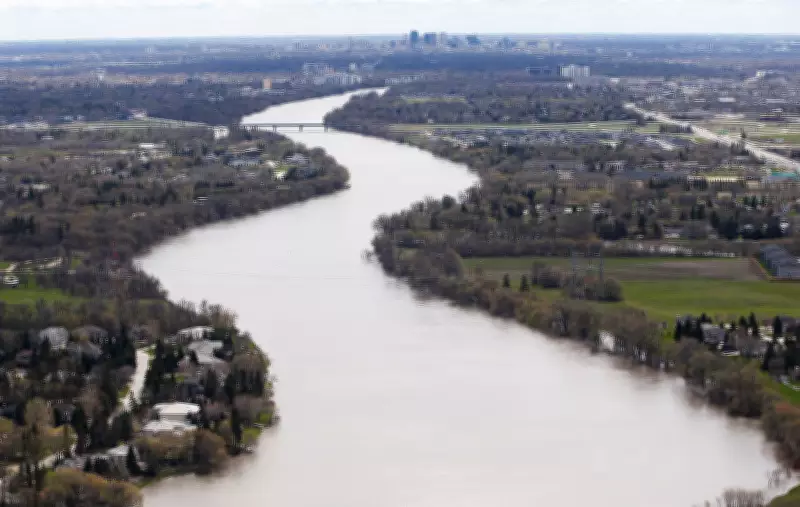
Manitoba's provincial government has released its spring flood outlook for 2026, predicting a low-to-moderate risk of flooding across the region. This forecast, based on current weather patterns and hydrological data, offers a cautiously optimistic view for communities along waterways like the Red River.
Factors Influencing the Flood Forecast
The assessment considers several key elements, including snowpack levels, soil moisture conditions, and anticipated precipitation in the coming months. Officials note that while some areas have experienced average winter snowfall, the overall moisture content remains within manageable limits. Additionally, proactive water management strategies, such as controlled reservoir releases and ice-cutting operations, are expected to mitigate potential flood impacts.
Historical Context and Preparedness
Manitoba has a long history of dealing with spring floods, particularly along the Red River Valley, which flows northward away from Winnipeg. Past events, like the significant flooding in 2022, have led to enhanced infrastructure and emergency response plans. The province emphasizes that despite the low-to-moderate risk prediction, residents should stay informed and prepared. This includes monitoring local advisories and ensuring personal flood preparedness kits are up-to-date.

Environmental and Climate Considerations
Climate change continues to influence hydrological patterns, making accurate flood forecasting increasingly complex. Manitoba's approach integrates modern technology and traditional knowledge to adapt to these shifting conditions. The province collaborates with federal agencies, including Environment Canada, to refine predictions and respond swiftly to any emerging threats.
Community Impact and Safety Measures
Local governments, especially in flood-prone areas like Winnipeg, are reviewing contingency plans. These may include temporary dike installations, evacuation routes, and public communication campaigns. Authorities urge property owners in low-lying zones to consider flood insurance and structural protections, such as sump pumps and backwater valves.
The forecast is subject to change based on late-winter storms or rapid spring thaws, underscoring the need for ongoing vigilance.