Five years after a fast-moving wildfire destroyed 90 per cent of the village of Lytton, B.C., recovery efforts remain mired in contention and frustration. The June 2021 fire razed hundreds of structures, displacing residents and devastating the community. Today, while some rebuilt homes dot the landscape, many residents say the process has been slow, poorly managed, and emotionally draining.
Rebuilding Progress and Persistent Challenges
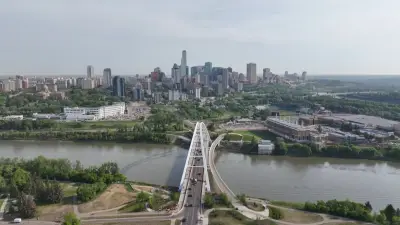
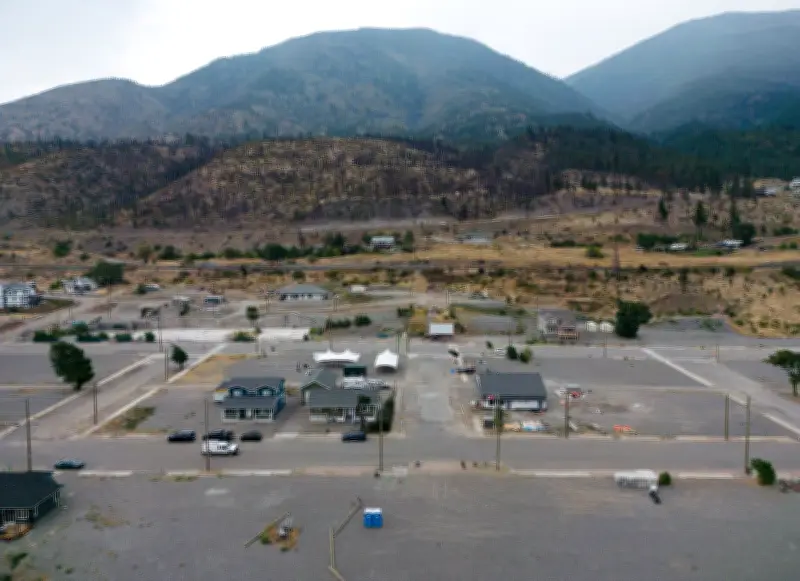
Aerial views from August 2025 show scattered new houses among empty lots and debris. The village has secured funding for infrastructure, but bureaucratic hurdles and insurance disputes have delayed reconstruction. Many former residents have not returned, citing trauma and lack of affordable housing.
Resident Frustrations
Local community meetings have become heated, with attendees accusing officials of neglecting their needs. One resident stated, "It feels like we're forgotten. The support promised never fully arrived." Others express gratitude for those who rebuilt but note the village's character has changed irreparably.

Government Response and Funding
The provincial and federal governments have allocated millions for rebuilding, but critics argue the funds are insufficient and slow to disburse. A 2024 audit found that only a fraction of promised money had reached residents. The village council has called for streamlined processes and more direct aid.
Mental Health and Community Impact
The disaster's psychological toll remains high. Support groups report ongoing anxiety and depression among survivors. The loss of community gathering spaces has hindered social recovery. Efforts to establish a permanent memorial have stalled due to disagreements over location and design.
Looking Ahead
As the fifth anniversary passes, Lytton's recovery serves as a cautionary tale for other communities facing climate-driven disasters. Without systemic changes, similar tragedies may yield equally contentious outcomes. Residents continue to push for accountability and a clearer path forward.