Japan Issues Warning: Mega-Quake Risk Slightly Elevated Following 7.7 Magnitude Tremor
Japanese authorities have issued a sobering warning regarding a slightly increased risk of a catastrophic mega-earthquake. This alert comes in the immediate aftermath of a powerful 7.7-magnitude earthquake that struck northern Japan, an event that prompted urgent tsunami warnings and widespread concern across the nation.
Immediate Aftermath and Tsunami Alerts
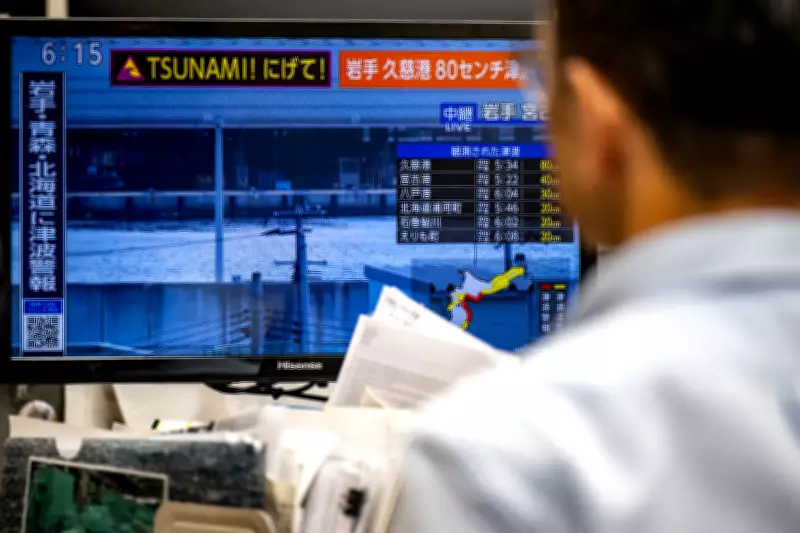
The significant seismic event, which occurred on April 20, 2026, was powerful enough to trigger immediate tsunami alerts. National broadcaster NHK displayed urgent warning messages on live feeds, advising residents in coastal areas to seek higher ground. The swift response highlighted Japan's advanced early warning systems, which are critical in a country frequently subjected to seismic activity.
This recent tremor has served as a stark reminder of the ever-present threat posed by the complex tectonic plates beneath the Japanese archipelago. Seismologists are now analyzing the data from this quake, noting that such events can sometimes alter stress distributions along fault lines, potentially increasing the likelihood of subsequent, even larger earthquakes.

Understanding the "Mega-Quake" Risk
The term "mega-quake" refers to an earthquake of magnitude 9.0 or higher, capable of causing unprecedented devastation. Japan's history includes the devastating 2011 Tohoku earthquake and tsunami, a magnitude 9.0-9.1 event that led to a nuclear disaster. The current warning indicates that the probability of such an event, while still low, has been nudged slightly higher due to the recent 7.7-magnitude quake.
Experts emphasize that this is a precautionary assessment based on ongoing seismic monitoring. The Japanese Meteorological Agency and other research bodies continuously track minor tremors, crustal movements, and seafloor pressure to refine their risk models. The public is urged to remain vigilant, ensure emergency kits are prepared, and familiarize themselves with evacuation routes.
Regional and Global Implications
This development has significant implications not only for Japan but for the broader Pacific Ring of Fire region. Increased seismic activity in one area can sometimes influence tectonic stress in neighboring zones. The warning underscores the importance of international cooperation in disaster preparedness and early warning systems.
Japan's advanced infrastructure and strict building codes are designed to withstand powerful quakes, but the threat of a mega-quake presents a unique challenge. Authorities are reviewing disaster response plans and conducting public awareness campaigns to ensure readiness at all levels of society.
As the nation monitors the situation, the focus remains on resilience and preparedness. The slightly elevated risk serves as a crucial call to action for both officials and citizens to reinforce their commitments to safety in the face of nature's unpredictable forces.