Hawaii Confronts Escalating Flood Threat as Kona Storm Lashes Islands
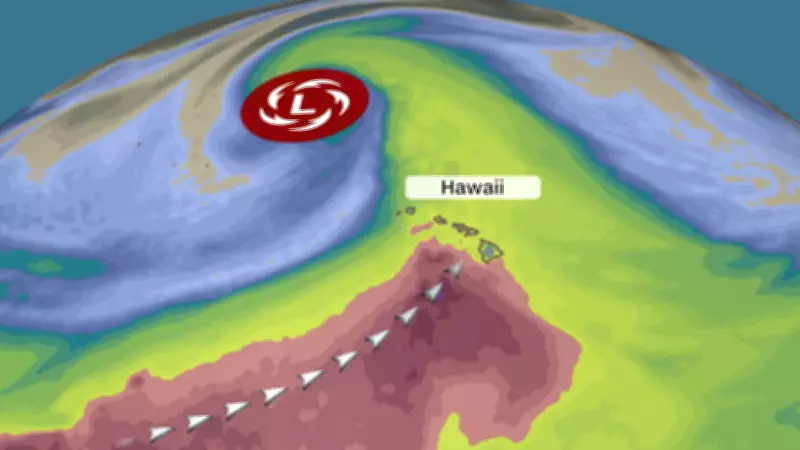
A powerful and persistent Kona storm is currently unleashing its initial rounds of heavy rainfall across Hawaii, significantly heightening the flood threat for the archipelago. This dangerous weather event arrives merely two weeks after the state endured its most severe flooding incident in twenty years, further straining ongoing recovery operations and raising urgent concerns among residents and officials alike.
Timing Compounds Crisis Amid Fragile Recovery
The timing of this multi-day storm system is particularly precarious. Hawaii is still in the delicate phases of recuperation from the devastating floods that struck in March, which caused widespread damage to infrastructure, homes, and natural landscapes. The renewed deluge threatens to exacerbate existing problems, potentially leading to new landslides, road washouts, and property damage before communities have had a chance to fully rebuild.
Meteorologists are closely monitoring the storm's progression, warning that the cumulative rainfall over several days could overwhelm drainage systems and saturate soils already weakened by previous events. Emergency management agencies have issued flood watches and advisories, urging residents in vulnerable areas to remain vigilant and prepare for possible evacuations.

Broader Environmental and Climatic Context
This back-to-back occurrence of extreme weather events in Hawaii underscores a troubling pattern linked to broader climatic shifts. Kona storms, characterized by their southerly winds and heavy precipitation, are not uncommon in the region, but their intensity and frequency appear to be influenced by changing atmospheric conditions. Scientists point to warmer ocean temperatures and altered weather patterns as factors that can amplify such storms, leading to more severe impacts.
The situation in Hawaii serves as a stark reminder of the increasing vulnerability of coastal and island communities to climate-related disasters. As global temperatures continue to rise, the frequency and severity of extreme weather events, including intense rainfall and flooding, are projected to increase, posing significant challenges for disaster preparedness and resilience planning.
Immediate Response and Long-Term Implications
Local authorities are mobilizing resources to respond to the immediate threat, including pre-positioning emergency supplies and coordinating with state and federal partners. The priority is to protect lives and minimize further damage, while also supporting those still affected by the previous floods.
Looking ahead, this incident highlights the critical need for enhanced infrastructure investments, improved early warning systems, and comprehensive climate adaptation strategies. Communities must balance urgent recovery efforts with long-term planning to mitigate future risks, ensuring they are better equipped to handle the evolving challenges posed by a changing climate.
As the Kona storm continues to impact Hawaii, residents are bracing for a difficult period, hoping that the rainfall does not lead to another catastrophic event. The coming days will be crucial in determining the full extent of the damage and the next steps in Hawaii's ongoing battle against extreme weather.