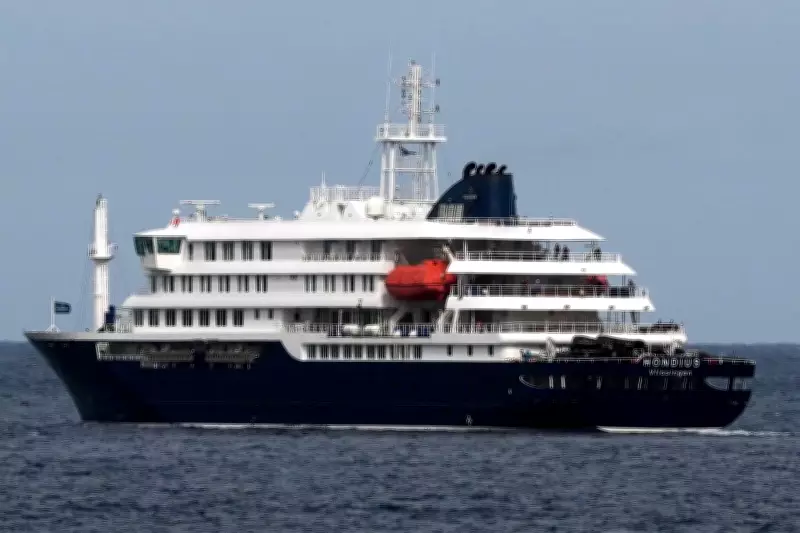
A hantavirus outbreak on the MV Hondius cruise ship has drawn attention to the booming Antarctic tourism industry, with some experts calling for stricter regulations. The ship, which departed from Praia, Cape Verde, on May 6, 2026, is now heading to the Canary Islands as Spain prepares for possible evacuations.
Antarctic Tourism on the Rise
The incident highlights a significant increase in tourism to Antarctica, with more cruise ships than ever venturing into the region. This growth has raised concerns about environmental impact, safety, and the potential for disease outbreaks in remote areas.
Calls for Better Regulation
Industry observers and environmental groups argue that the current regulatory framework is insufficient to manage the risks associated with mass tourism in such a fragile ecosystem. They urge for stricter health protocols, emergency response plans, and environmental safeguards.

Meanwhile, the Canadian government confirmed that three Canadians are isolating at home after being on the hantavirus-affected ship. Public health officials advise those opening cottages or sheds to take precautions against hantavirus, which can be transmitted through rodent droppings.
The MV Hondius case serves as a wake-up call for the industry, prompting discussions on how to balance tourism growth with safety and environmental stewardship.