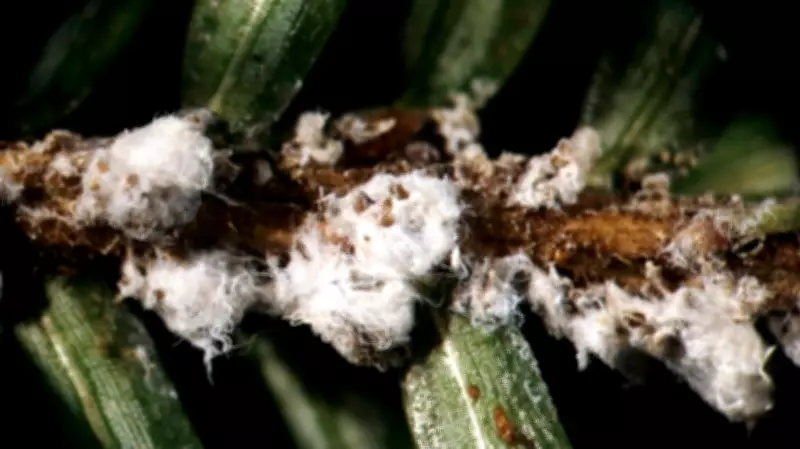
The Halifax Regional Municipality has announced plans to assess and treat hemlock trees that have been infested by the hemlock woolly adelgid, an invasive insect that poses a significant threat to the region's urban forest.
Invasive Pest Threatens Hemlock Trees
The hemlock woolly adelgid is a small, aphid-like insect that feeds on the sap of hemlock trees, causing needle loss, branch dieback, and eventual tree death. The pest has been spreading across eastern North America and has now been detected in Halifax.
City officials are working with forestry experts to identify infested trees and develop a treatment plan. Treatments may include insecticidal soaps, horticultural oils, or systemic insecticides applied to the soil or injected into the trees.

Community Involvement and Prevention
Residents are urged to report any signs of infestation, such as white, woolly masses on the undersides of hemlock branches. Early detection and treatment are crucial to preventing the spread of the adelgid.
The municipality is also exploring long-term strategies, including the introduction of natural predators and the planting of resistant hemlock varieties, to protect the city's hemlock population.
Hemlock trees are a vital part of Halifax's urban canopy, providing shade, habitat, and aesthetic value. The city's efforts aim to preserve these trees for future generations.