Great Lakes Ice Coverage Reaches 15-Year Peak, Potentially Disrupting Lake Effect Snow Patterns
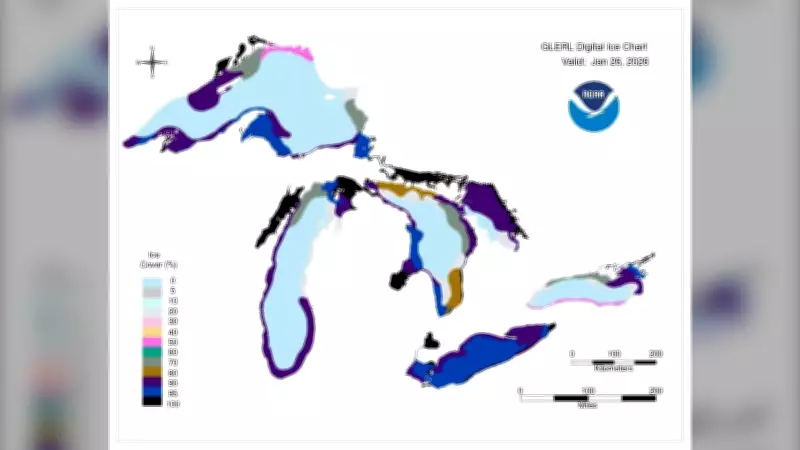
Meteorological data indicates that ice cover on the Great Lakes has surged to its highest level in 15 years, a development that could significantly alter winter weather patterns across the region. This substantial increase in ice formation is expected to have a direct impact on the frequency and intensity of lake effect snow squalls, which are common during the colder months.
The Science Behind Lake Effect Snow and Ice Cover
Lake effect snow occurs when cold air masses move over the relatively warmer waters of the Great Lakes, picking up moisture and depositing it as snow downwind. The extent of ice cover plays a crucial role in this process. When the lakes are largely frozen, the open water surface area available for evaporation is reduced, thereby limiting the moisture supply that fuels these snow squalls.
The current ice coverage represents a notable shift from recent years, where milder conditions have often prevailed. This return to a more frozen state aligns with broader climatic variability observed in the Great Lakes basin. Environmental scientists monitor these ice levels closely as they serve as a key indicator of regional winter severity and have implications for ecosystems, shipping, and community preparedness.

Potential Implications for the Remainder of Winter
With the ice cover now at a 15-year high, communities along the leeward shores of the lakes, particularly in Ontario and parts of the northeastern United States, may experience a reprieve from the heavy, localized snowfalls typically associated with lake effect events. This does not mean an absence of winter weather, but rather a potential shift in its character.
- Reduced Snowfall: Areas prone to lake effect bands could see less cumulative snow accumulation for the rest of the season.
- Changed Storm Tracks: Weather systems may behave differently, with precipitation coming more from large-scale synoptic storms rather than localized lake enhancement.
- Extended Cold: Extensive ice cover can also contribute to a reinforcing cycle of cold air, as the ice reflects sunlight and insulates the water below, potentially prolonging wintry conditions even with less snow.
While this development may ease some snow removal burdens, it also underscores the dynamic and sometimes unpredictable nature of Great Lakes climate systems. Residents and municipal planners are advised to stay informed through local forecasts, as conditions can change rapidly even with high ice cover.