German submarine manufacturer Thyssenkrupp Marine Systems (TKMS) is pitching an undersea research centre focused on the Arctic, a project that could enhance Canada's presence in the region while addressing climate change and security concerns.
Proposal Details
The proposed facility would be a state-of-the-art underwater research station, designed to monitor environmental changes in the Arctic Ocean, support marine biology studies, and strengthen Canada's sovereignty claims. TKMS, which already has ties with Canada through naval maintenance contracts, sees the project as a natural extension of its expertise in submarine technology.
Strategic Importance
The Arctic is rapidly changing due to climate change, with melting ice opening new shipping routes and resource extraction opportunities. This has heightened geopolitical tensions, making Canadian presence critical. The research centre would provide year-round access to underwater data, aiding in climate modeling and security surveillance.

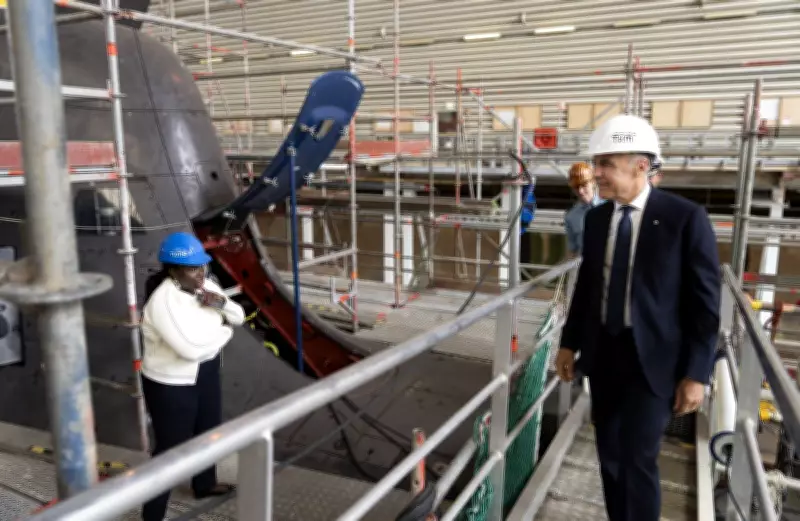
Prime Minister Mark Carney, who toured TKMS facilities in Kiel, Germany, in August 2025, has expressed interest in bolstering Canada's Arctic capabilities. The project aligns with the government's focus on Indigenous partnerships and environmental stewardship.
Potential Benefits
- Climate Research: Continuous monitoring of ocean temperatures, currents, and ice thickness to improve climate predictions.
- Biodiversity Studies: Exploration of unique Arctic ecosystems, including species adaptation to changing conditions.
- Sovereignty: Enhanced surveillance of underwater activities, including foreign submarine movements.
- Economic Opportunities: Potential for technology transfer, job creation, and partnerships with Canadian universities and research institutes.
Challenges
The project faces significant hurdles, including high costs, logistical difficulties in the harsh Arctic environment, and environmental impact assessments. Critics also question the military implications of a foreign company operating critical infrastructure in Canadian waters.
TKMS has not disclosed the estimated cost or timeline, but similar projects in other countries have run into billions of dollars. The company is expected to present a feasibility study to the Canadian government within the next year.
The proposal comes amid growing international interest in the Arctic, with Russia, China, and the United States all expanding their presence. Canada's ability to assert its sovereignty and conduct independent research is seen as vital for the region's future.