Rare Galapagos Seabird Astonishes Scientists with Epic 3,000-Mile Journey to California
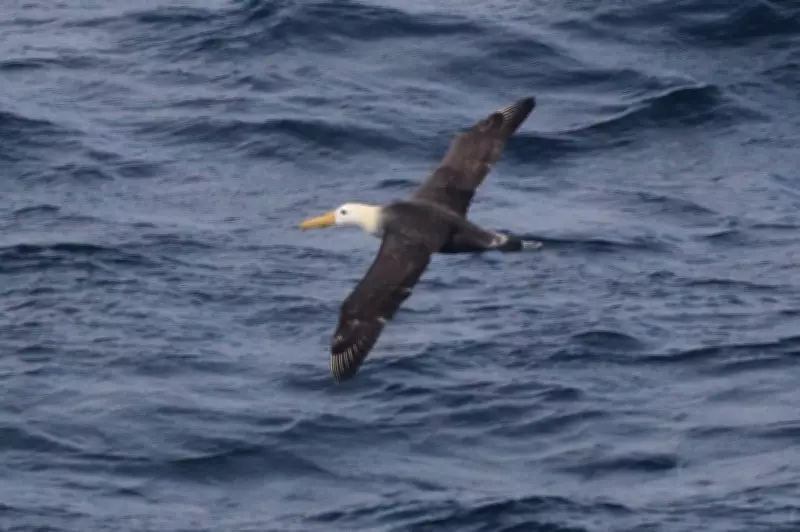
In a remarkable event that has captivated the scientific community, a rare waved albatross from the Galapagos Islands has been documented off the coast of California, completing an unprecedented journey of approximately 3,000 miles. This extraordinary sighting, which occurred near Point Piedras Blancas, California, on January 23, 2026, represents a significant deviation from the bird's typical habitat and migratory patterns.
An Unprecedented Oceanic Odyssey
The waved albatross, a species primarily confined to the equatorial waters around the Galapagos Islands and the coast of Peru, is not known for venturing into northern Pacific waters. The individual bird, photographed by Melody Baran of the University of California, San Diego's Scripps Institution of Oceanography, has provided researchers with a unique opportunity to study avian navigation and endurance. Scientists are marveling at the physiological and navigational capabilities that enabled this seabird to traverse such a vast distance, crossing oceanic regions it typically avoids.
Scientific Implications and Research Opportunities
This unexpected appearance raises important questions about environmental factors and climate influences that may be altering traditional migration routes. Researchers from the Scripps Institution of Oceanography are particularly interested in understanding what drove this albatross so far from its usual range. Potential factors under consideration include:

- Changes in ocean currents and wind patterns
- Food source availability and distribution shifts
- Climate-related alterations to marine ecosystems
- Individual navigation errors or exploratory behavior
The sighting provides valuable data for ongoing studies of pelagic bird movements and marine ecosystem health, offering insights into how climate change might be affecting species distribution across the Pacific Ocean.
Conservation Significance and Future Monitoring
As a species considered vulnerable due to its limited breeding range and various environmental threats, the waved albatross's unexpected journey highlights the importance of international conservation efforts and cross-border research collaboration. This event underscores how marine species can serve as indicators of broader oceanic changes, with their movements potentially signaling shifts in marine environments that warrant closer scientific attention.
California bird enthusiasts and researchers will continue monitoring the area for any further sightings, while scientists analyze the implications of this extraordinary migration event for our understanding of avian biology and Pacific Ocean ecology.