Icy Weather Triggers Unusual Wildlife Event in Florida
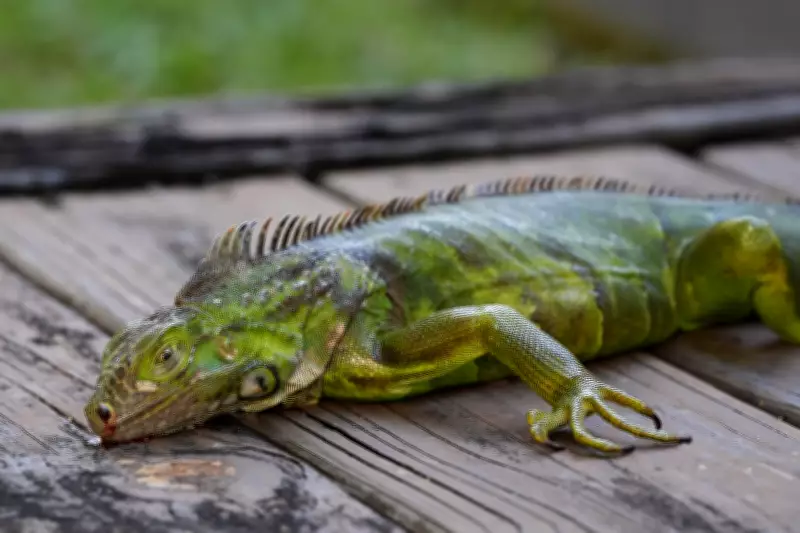
A recent bout of unusually cold weather sweeping across the southern United States has led to a startling phenomenon in Florida: iguanas falling from trees. As temperatures plummeted, these cold-blooded reptiles, native to tropical climates, became stunned and immobile, losing their grip on branches and dropping to the ground.
The Science Behind the Fall
Iguanas are ectothermic, meaning they rely on external heat sources to regulate their body temperature. When ambient temperatures drop significantly, their metabolic processes slow dramatically, leading to a state of torpor. In this condition, they become lethargic and unable to maintain their hold on tree limbs, resulting in the falls observed by residents. This event underscores the vulnerability of non-native species to extreme weather fluctuations.
Local Observations and Safety Concerns
In areas like South Miami, residents have reported seeing iguanas lying motionless on decks, lawns, and sidewalks. While the iguanas often revive once temperatures rise, their sudden presence on the ground can pose minor hazards, such as surprising pedestrians or pets. Authorities advise caution but note that the iguanas are generally harmless when in this stunned state.

Broader Implications for Florida's Ecosystem
This incident highlights the ongoing challenges posed by invasive species in Florida, where iguanas have thrived due to the typically warm climate. Cold snaps, though rare, can temporarily reduce their populations, but experts warn that such events are unlikely to curb their long-term spread. It also serves as a reminder of how climate variability can disrupt local wildlife, even in subtropical regions.
Weather Patterns and Future Outlook
The cold wave affecting Florida is part of a larger system bringing frost and possible snow flurries to parts of the southern U.S., with extreme cold persisting across Canada over the weekend. Meteorologists attribute this to shifting atmospheric patterns, emphasizing the need for preparedness in regions unaccustomed to such chill. As global weather becomes more unpredictable, similar events may occur with greater frequency.