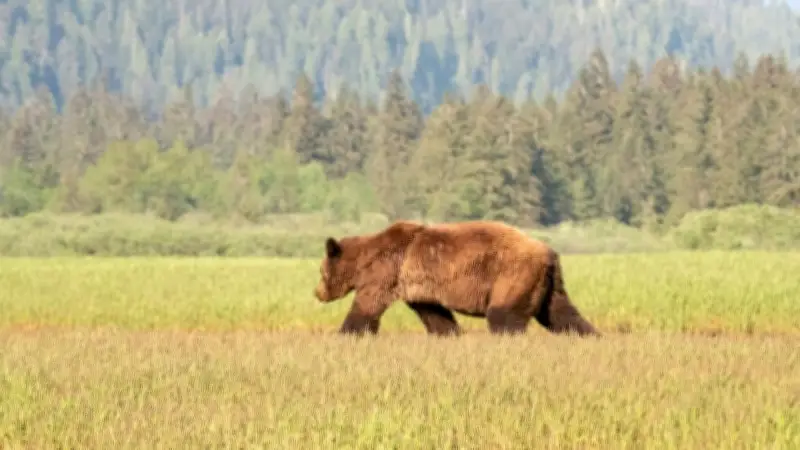
Four grizzly bears have been killed under Alberta’s wildlife management program, according to a recent report by CTV News Calgary. The deaths occurred as part of the province's efforts to manage bear populations and reduce human-bear conflicts, but they have ignited controversy among conservationists and animal rights advocates.
Details of the Incident
The bears were euthanized after being deemed a threat to public safety or having repeatedly accessed human food sources. Wildlife officials stated that relocation was not feasible due to the bears' habituation to humans, which increased the risk of future conflicts. The exact locations and circumstances of the kills have not been fully disclosed, but the program operates under strict guidelines set by Alberta Environment and Parks.
Conservation Concerns
Environmental groups have criticized the culling, arguing that proactive measures such as secure waste management and public education could prevent bears from becoming problem animals. The grizzly bear is listed as a species of special concern in Alberta, with an estimated population of around 700 to 800 individuals. Conservationists worry that repeated removals could impact the long-term viability of the population.

“Every bear lost is a blow to the recovery of this species,” said a spokesperson for the Alberta Wilderness Association. “We need to focus on coexistence strategies rather than lethal control.”
Program Justification
Alberta’s wildlife management program prioritizes human safety and property protection. Officials emphasize that euthanasia is a last resort after non-lethal options have been exhausted. In 2025, the program reported over 1,000 bear-related incidents, with a small percentage resulting in lethal removal. The province invests in bear-proof garbage bins, electric fencing, and educational campaigns to reduce attractants.
“Our goal is to minimize conflicts while maintaining healthy bear populations,” said a representative from Alberta Environment and Parks. “In cases where bears become a danger, removal is necessary to protect communities.”
Public Reaction
The news has sparked debate among residents. Some support the program, citing increased bear sightings near urban areas. Others call for stricter enforcement of attractant bylaws and more funding for non-lethal deterrents. The issue is particularly sensitive in regions like Banff and Canmore, where bears frequently encounter tourists and residents.
Local ranchers have expressed mixed feelings. While some appreciate the program’s role in protecting livestock, others believe that better fencing and guard animals could reduce reliance on lethal methods.
Looking Ahead
As Alberta continues to expand into bear habitat, wildlife managers face growing challenges. The province is exploring new technologies, such as bear-deterrent drones and real-time monitoring systems, to improve conflict prevention. However, funding constraints and political pressures may limit the adoption of these innovations.
The recent deaths underscore the need for a comprehensive strategy that balances conservation with public safety. For now, the debate over Alberta’s grizzly bear management remains heated, with both sides calling for more data and transparency.