Winnipeg's Iconic Nestaweya River Trail Closes for the Season
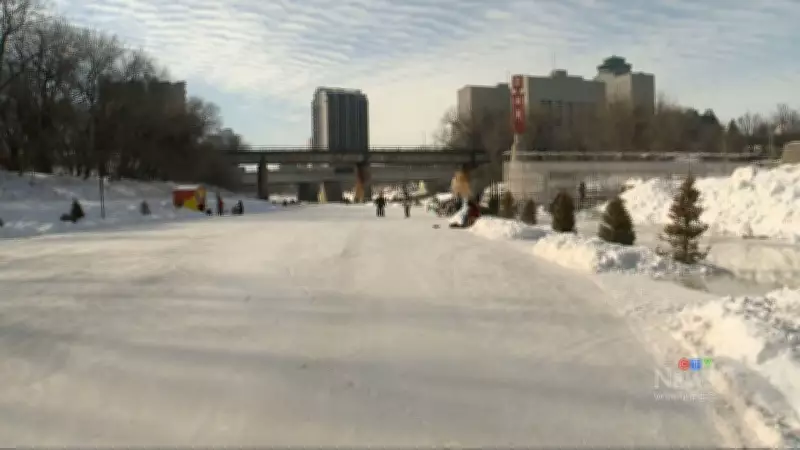
The Forks in Winnipeg has announced the official closure of the Nestaweya River Trail for the 2025-2026 winter season. This decision comes as warming weather conditions have rendered the ice surface increasingly unstable and unsafe for public access. The trail, a beloved winter destination for locals and tourists alike, typically operates during the colder months but must shut down annually when temperatures rise above freezing thresholds.
Safety Concerns Drive Seasonal Closure
Rising temperatures and natural ice melt have created hazardous conditions along the river trail, prompting management to prioritize visitor safety. The Forks staff regularly monitor ice thickness and structural integrity throughout the operating season. When measurements indicate deteriorating conditions that could compromise safety, the mandatory closure protocol is implemented immediately.
"We always prioritize public safety above all else," explained a spokesperson for The Forks. "The river ice becomes unpredictable during seasonal transitions, and we cannot risk having people on the trail when conditions are no longer stable."

Economic and Recreational Impact
The Nestaweya River Trail serves as a significant winter attraction for Winnipeg, drawing thousands of visitors who enjoy skating, walking, and various winter activities on the frozen Assiniboine and Red Rivers. The seasonal closure marks the end of another successful winter season for The Forks, which has become synonymous with outdoor winter recreation in Manitoba's capital city.
Local businesses that benefit from trail traffic typically experience increased activity during the operating months, with restaurants, rental shops, and nearby retailers seeing heightened patronage from trail users. The closure signals the transition to spring programming at The Forks, which will soon shift focus to warmer weather attractions and events.
Historical Context and Future Operations
The Nestaweya River Trail has operated seasonally for decades, with its opening and closing dates varying each year based entirely on weather conditions. Climate patterns significantly influence both the trail's opening in winter and its necessary closure as temperatures moderate. The Forks management team emphasizes that this is a normal, annual occurrence rather than an extraordinary event.
Looking ahead, The Forks will begin preparations for next winter's trail operations once colder temperatures return. Maintenance crews will assess any necessary improvements or modifications during the off-season to ensure the trail remains a safe and enjoyable destination for future winter seasons. Visitors are encouraged to check The Forks' official communications for updates on spring and summer programming now that winter activities have concluded.