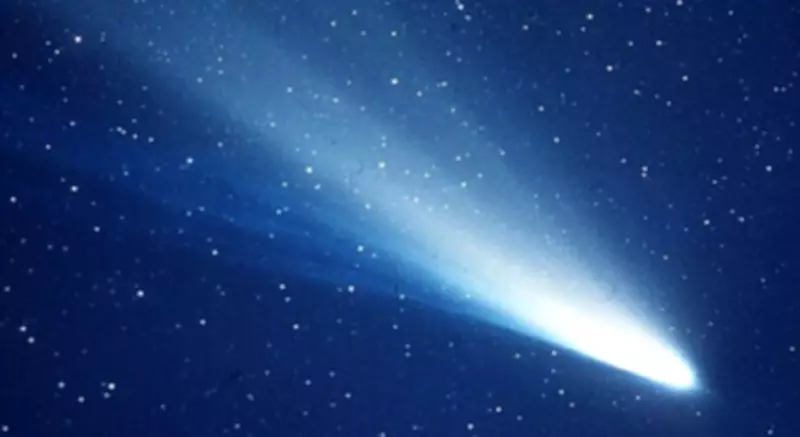
The Eta Aquariid meteor shower is set to peak on Tuesday, May 5, 2026, offering skywatchers a dazzling display as Earth passes through the debris trail left by Halley's Comet. This annual celestial event is known for producing fast-moving meteors that streak across the night sky, with peak activity expected in the pre-dawn hours.
What Causes the Eta Aquariids?
The meteor shower occurs when our planet intersects the orbit of Halley's Comet, which leaves behind a trail of dust and ice particles. As these particles enter Earth's atmosphere at high speeds, they burn up, creating bright streaks of light. The Eta Aquariids are particularly notable for their speed, traveling at about 66 kilometers per second.
Best Viewing Tips
To catch the best views, experts recommend finding a dark location away from city lights. The shower will be visible across Canada, with the highest number of meteors visible just before dawn. Observers should look toward the constellation Aquarius, from which the meteors appear to radiate. No special equipment is needed, but patience is key as the shower can produce up to 30 meteors per hour under ideal conditions.

Halley's Comet Legacy
Halley's Comet, which last passed through the inner solar system in 1986, is responsible for two annual meteor showers: the Eta Aquariids in May and the Orionids in October. While the comet itself won't return until 2061, its debris continues to provide spectacular light shows for Earthlings.
For those who miss Tuesday's peak, the Eta Aquariids will remain active until late May, though at reduced rates. Clear skies are expected across much of Canada, but local weather forecasts should be checked before heading out.