Edmonton's Snow Melt Accelerates Dramatically in Early April 2026
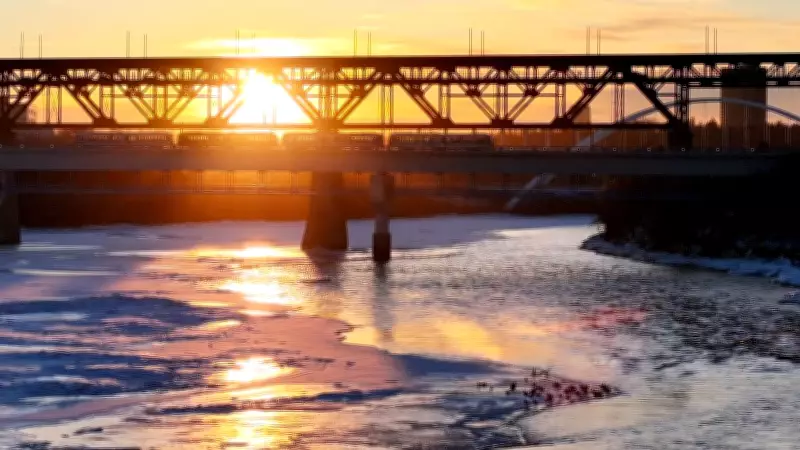
Edmonton experienced a significant acceleration in snow melt during the first week of April 2026, marking an early transition into spring conditions across the city. This rapid thaw follows a winter season that saw substantial snow accumulation, particularly evident along the North Saskatchewan River where ice cover persisted beneath the High Level Bridge as recently as March 23, 2026.
Observations and Environmental Context
Meteorological data indicates that temperatures rose steadily throughout late March, creating ideal conditions for snowpack reduction. The accelerated melt has resulted in increased water flow through Edmonton's drainage systems and into the North Saskatchewan River. This phenomenon aligns with broader climate patterns observed across Canada, where spring thaws are occurring earlier in many regions due to changing weather systems.
The timing of this snow melt carries important implications for Edmonton's urban ecology. Rapid runoff can strain municipal infrastructure designed for more gradual seasonal transitions. Additionally, the early disappearance of snow cover affects soil moisture levels and vegetation cycles throughout the Edmonton area.

Regional Climate Patterns
While Edmonton deals with accelerated snow melt, other parts of Canada face different weather challenges. The Maritimes have expanded weather alerts to include snowfall and freezing rain warnings, creating a stark contrast to Edmonton's early spring conditions. This regional variation highlights the complex nature of Canada's climate systems and their localized impacts.
Environmental scientists note that early snow melt events like Edmonton's can have cascading effects on local ecosystems. The timing of water availability affects everything from agricultural planning to wildlife migration patterns, making these seasonal transitions critical for regional environmental management.
Broader Implications
The accelerated snow melt in Edmonton occurs against a backdrop of national conversations about climate adaptation and environmental policy. As cities across Canada experience shifting seasonal patterns, municipal governments face increasing pressure to update infrastructure and planning approaches to accommodate these changes.
Water resource management becomes particularly crucial during rapid thaw periods, as sudden increases in runoff can overwhelm drainage systems and affect water quality in receiving bodies like the North Saskatchewan River. Edmonton's experience in early April 2026 serves as a case study in how urban centers must adapt to changing climate realities.
Looking forward, climate researchers will monitor whether this early snow melt represents an anomaly or part of a longer-term trend toward earlier spring transitions in the Edmonton region. The data collected during this period will contribute to better understanding of how urban environments respond to climate variability across different Canadian regions.